Source: Pexels
Everyone has experienced high or low blood sugar levels at some point. But if you suffer from this frequently, it’s important to take action. Read on to find out how to tell if your blood sugar is out of balance and what you can do about it.
How can you tell if your blood sugar is out of balance?
It’s normal for your blood sugar to fluctuate throughout the day. This is partly down to when you’ve eaten. If your blood sugar is too high or too low, you may notice the following symptoms:
- Fatigue and energy slumps
- Cravings for sweet foods
- Difficulty concentrating or ‘brain fog’
- Mood swings or a short temper
- Trembling, dizziness or sweating
- Excessive thirst and increased urination
The cause of low or high blood sugar is often not eating enough. In some cases, it can also be due to an underlying condition, such as diabetes. If you frequently experience the symptoms listed above, it’s a good idea to consult a doctor.
How do you feel when your blood sugar levels are normal?
When your blood sugar levels are normal, your body utilises glucose effectively as an energy source. You’ll notice this, for example, in the form of a stable energy level throughout the day, without any noticeable dips. You may also find that you can concentrate well, feel properly full after eating and have a stable mood.
Do you feel that your blood sugar levels fluctuate a lot? If so, you can read below about what you can do to balance them.
9 tips to balance your blood sugar
1. Eat plenty of good nutrients
Your diet affects how quickly glucose enters your bloodstream. You should therefore eat plenty of carbohydrates alongside protein, fibre and healthy fats. Fibre slows down the absorption of glucose, helping to regulate your blood sugar levels better after a meal.
2. Prioritise complex carbohydrates
Wholemeal grains, pulses, vegetables and other fibre-rich foods have the best effect on your blood sugar. This is because sugary products and processed carbohydrates cause a faster rise in blood sugar levels. As a result, you’re also more likely to experience dips.
3. Get enough exercise every day
Exercise ensures that your body uses glucose for energy. Your muscles need glucose during physical activity. Exercise can therefore help to regulate your blood sugar levels more effectively. Even a short walk after a meal can help to regulate the rapid rise in blood sugar levels that follows eating.
4. Get good-quality and sufficient sleep
Getting good-quality and sufficient sleep is important for your metabolism and the functioning of insulin. This hormone helps transport glucose from the blood to your cells. Too little sleep can disrupt this regulation, making you more prone to experiencing symptoms.
5. Manage stress
When you’re stressed, your body produces hormones such as cortisol and adrenaline. These cause your liver to release extra glucose into the blood. If you’re dealing with prolonged stress, this can lead to poorer regulation of your blood sugar levels. So make sure you relax enough, do some breathing exercises, go for walks in nature more often and take more breaks.
6. Always eat at regular times
Eating regularly and in sufficient quantities helps to prevent hunger and energy slumps. Never skip meals, always eat at roughly the same times, and have a healthy snack if you feel hungry between meals.
7. Eat and drink as little added sugar as possible
Processed foods and added sugars cause a rapid rise in blood sugar levels. Examples include fizzy drinks, sweets and cake. Instead, opt for nutritious snacks and cut down on processed drinks.
8. Maintain a healthy weight
Being overweight reduces insulin sensitivity, making it difficult for your body to absorb glucose. You should therefore eat healthily and get enough exercise. A healthy body weight means something different for everyone, so it doesn’t always mean you need to lose weight to be healthy.
9. Use red light therapy
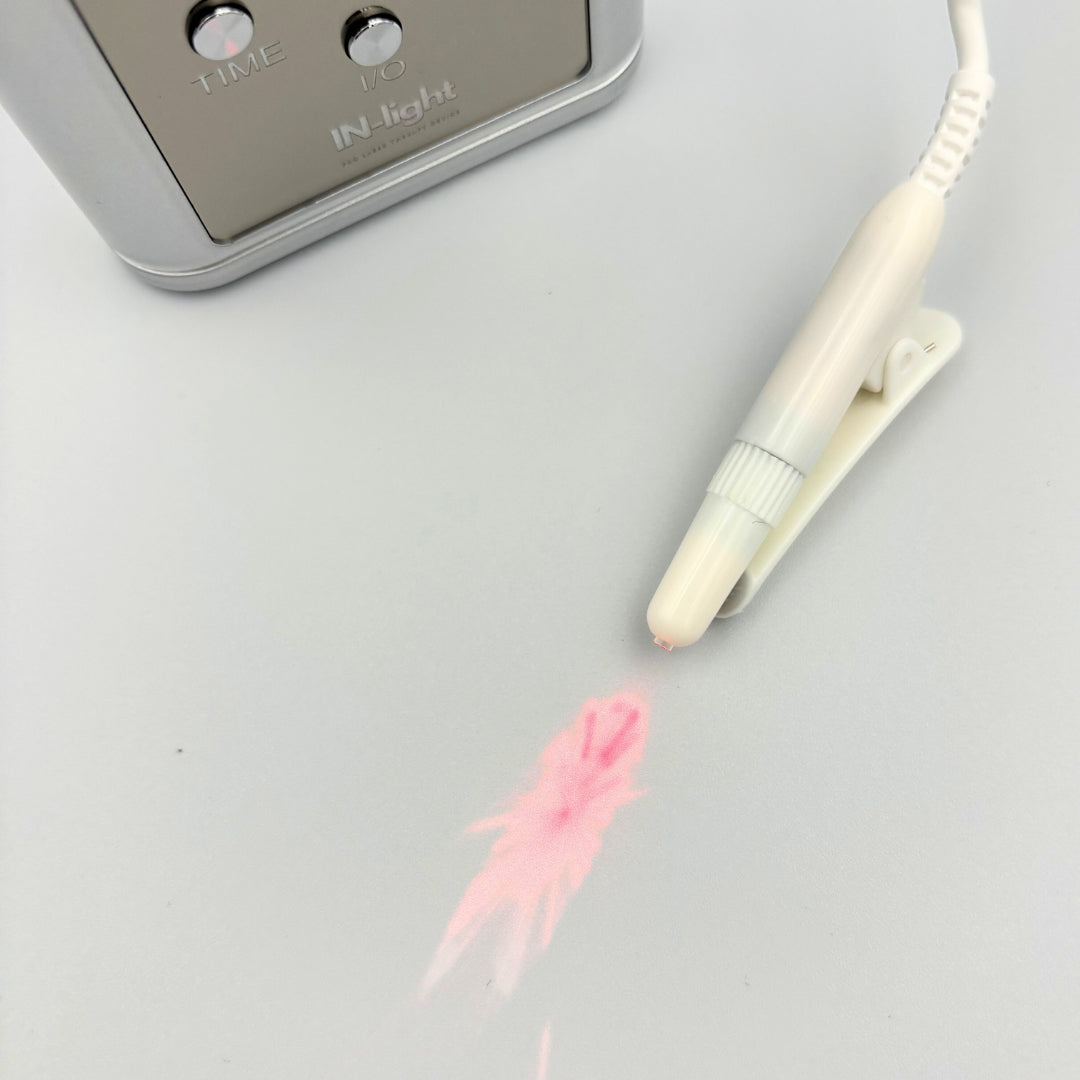
Red light therapy stimulates the mitochondria, the powerhouses of your cells. These play an essential role in energy production and metabolism. Intranasal red light therapy, which involves using red light via a small lamp inserted into the nose, can be very helpful in balancing blood sugar levels.

How does intranasal red light therapy help with blood sugar levels?
Red light influences the activity of the mitochondria in the cells. These play an important role in metabolism and energy production. By using intranasal red light therapy, you can help balance your blood sugar levels.
Well-functioning mitochondria ensure, amongst other things, the proper processing of glucose. Studies have shown that red light influences metabolic processes and the regulation of blood sugar levels. Red light can therefore also help with conditions such as type 2 diabetes.
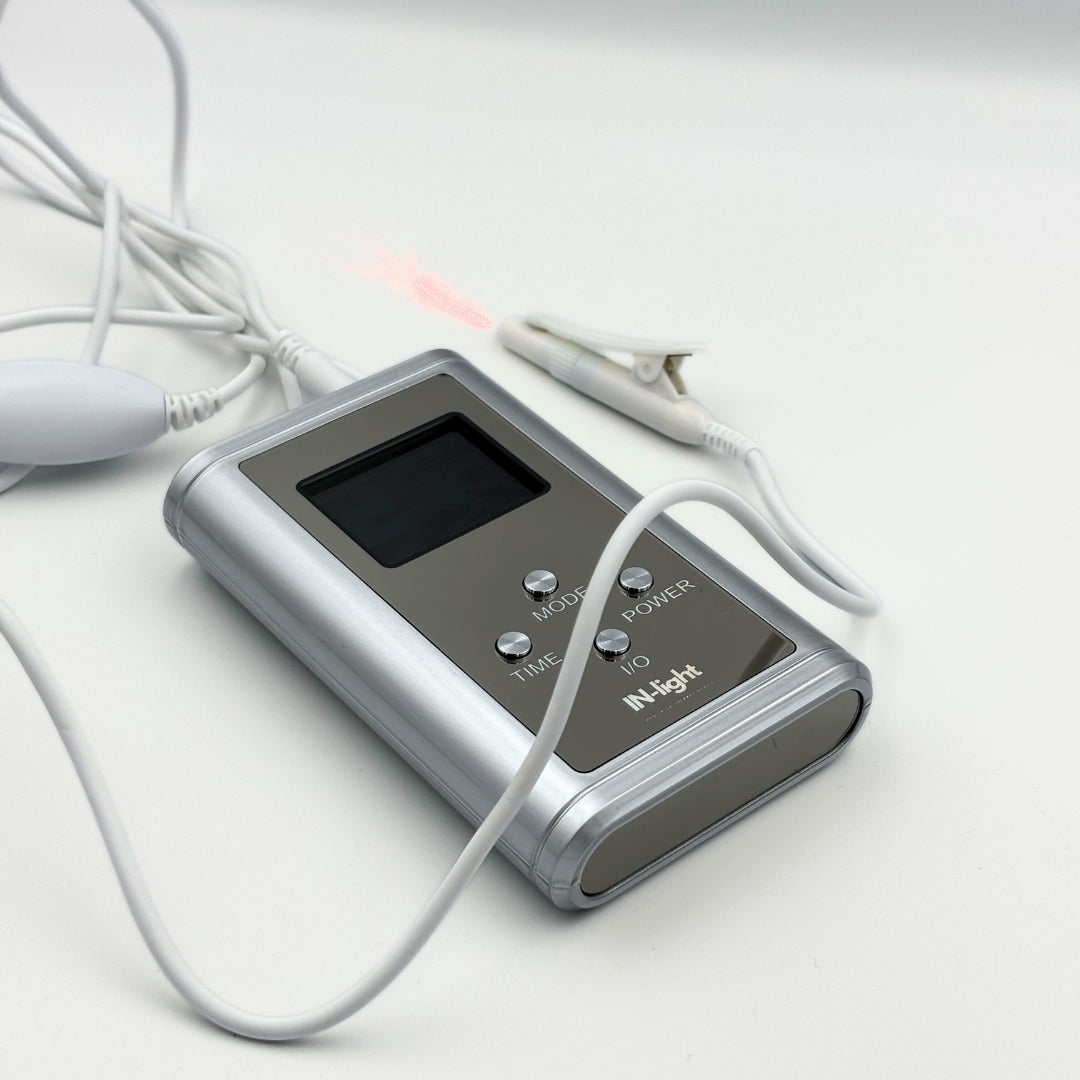
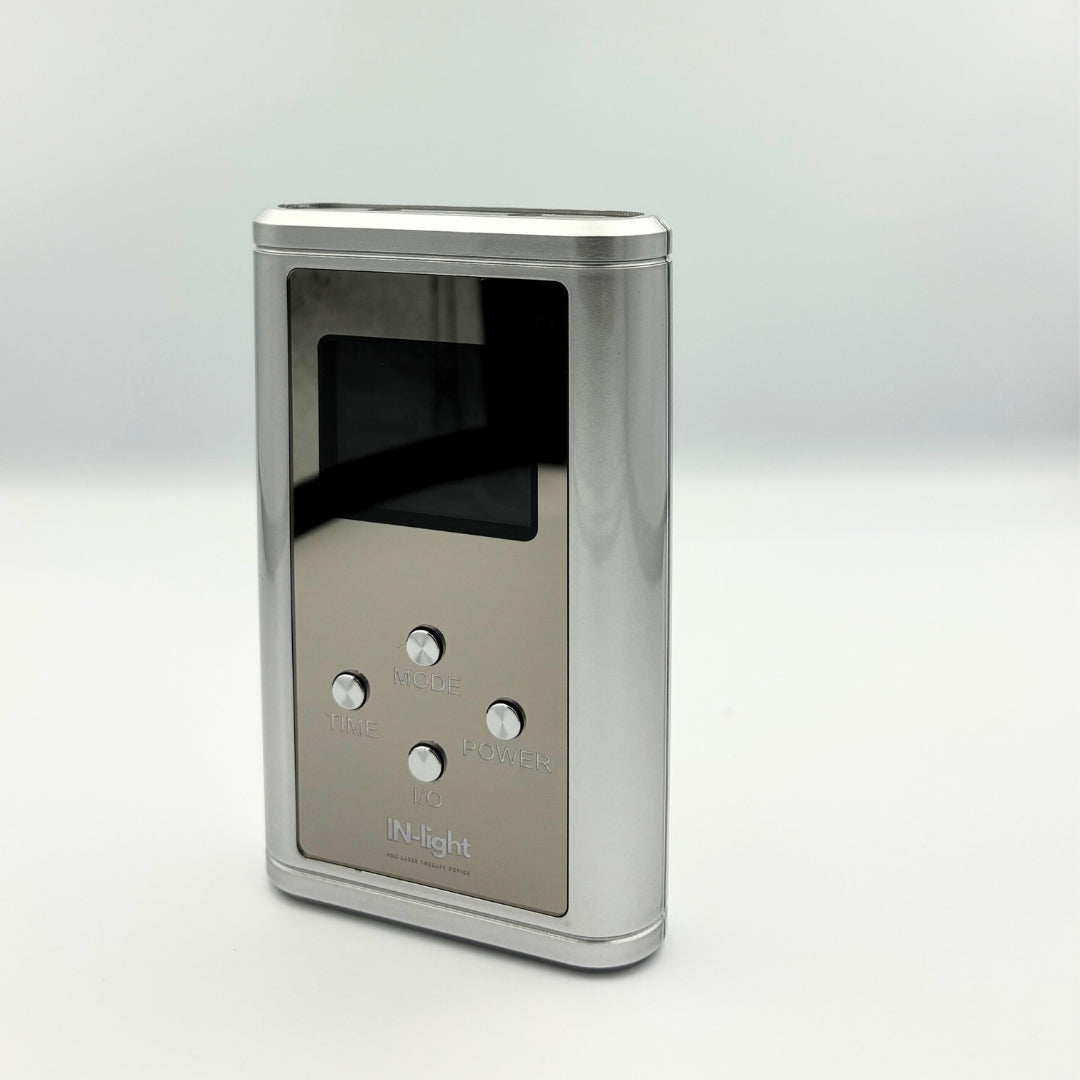
Intranasal red light therapy from IN-light
The IN-light Pro is an intranasal red light therapy laser that can help balance blood sugar levels. You can simply use it yourself, whenever you feel the need, or whilst going about your daily tasks. This way, you can work towards better health without it taking up any of your time!