Source: Pexels
Cluster headaches are a very unpleasant type of pain that can severely disrupt daily life. They are often so severe that you are temporarily unable to carry on with your daily activities. There are things you can do to make the cluster periods a little more bearable. Here are the best tips for dealing with this type of headache.
How do you know if you have cluster headaches?
Cluster headaches are characterised by very intense pain that is often stabbing. This usually occurs on one side of the eye, around or behind the eye. The pain often occurs in attacks that come in ‘clusters’. This means that there are sometimes periods lasting from weeks to months during which the pain occurs, followed by a period without it.
Other symptoms of cluster headaches include other complaints on one side of the head. Many people therefore experience a red or watery eye, a blocked nose or even a drooping eyelid. Furthermore, unlike with migraines, you often feel very restless and find it difficult to sit still. The attacks also frequently occur at fixed times, for example early in the morning or around the same time at night.
What causes cluster headaches?
The cause of this type of headache is not yet fully understood. It is thought to be caused by a disruption in the hypothalamus in the brain. This is the area that regulates your biological clock, which explains why attacks often recur at fixed intervals.
During an attack, the nerves around the eye become overactive, causing this stabbing pain. There are certain triggers that can provoke or worsen an attack during a cluster period. Well-known triggers include alcohol, smoking and, in some cases, caffeine, such as that found in coffee. In addition, your sleep pattern is likely to play a significant role.
7 ways to treat cluster headaches
Although the cause of cluster headaches remains a mystery, there are things you can do to reduce symptoms and sometimes even prevent them. Here are some useful tips you can follow before or during a cluster period.
1. Rest and movement during an attack
During an attack, lying down often doesn’t help. Many people actually find relief by keeping moving gently, such as walking back and forth or sitting upright. A dark, quiet environment can also help to reduce stimuli.
2. Temporarily avoid your triggers
During a cluster period, it’s wise to avoid triggers as much as possible. Alcohol is a well-known major trigger, but smoking and sometimes caffeine (such as coffee) can also trigger an attack.
3. Maintain a regular routine
A stable sleep pattern can help to reduce the likelihood of attacks. Try to go to bed and get up at fixed times as much as possible, as disruptions to your biological clock can affect your symptoms.
4. Get plenty of relaxation and stress relief
Stress may not directly cause the pain, but it can make it worse. Breathing exercises, calm music or relaxation techniques can help keep your body more relaxed during an episode.
5. Try cold or heat
Some people find relief from a cold compress on the painful side of the head or, conversely, from applying heat to the neck or shoulders. This doesn’t work for everyone, but it may be worth a try.
6. Other therapies
As well as what you can do yourself, there are also medical treatments that are often effective. Oxygen therapy can quickly bring an attack under control, and medicines such as triptans are used to stop the pain immediately. Preventative medication can also help reduce the frequency of attacks.
7. Red light therapy
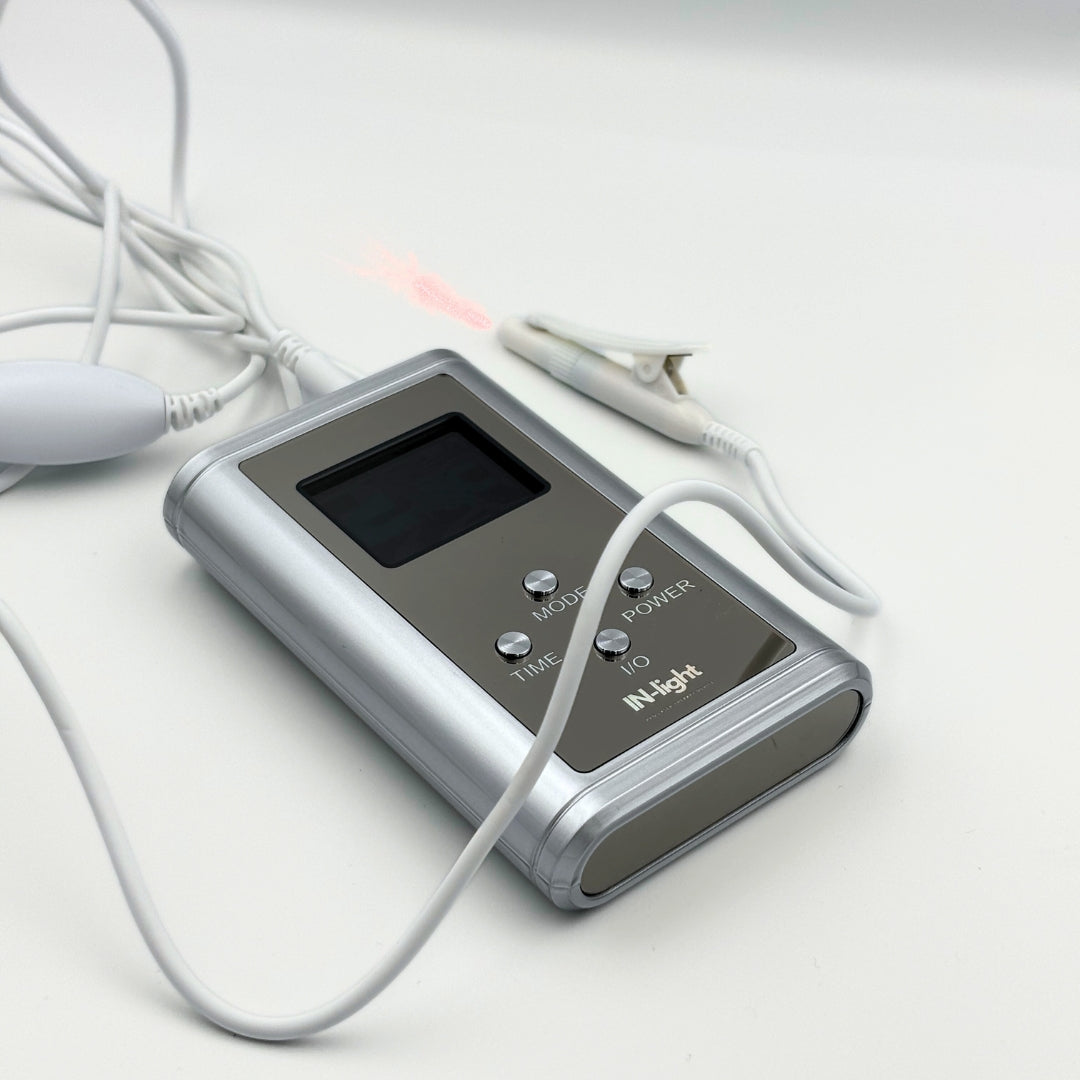
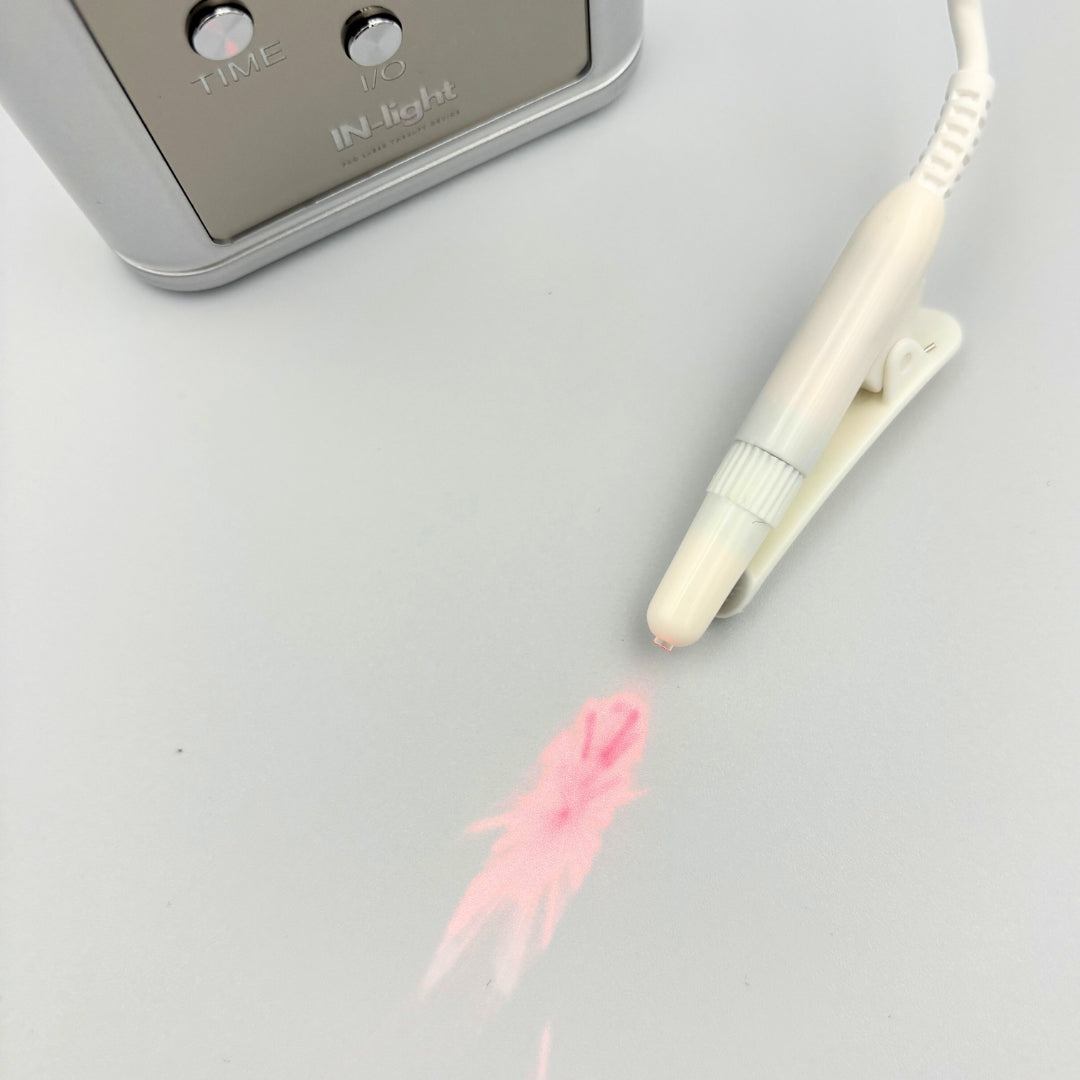
Intranasal red light therapy is a method that involves applying light through the nose. This aims to support the nervous system and blood circulation. Many people find this relieving, particularly when used alongside other treatment methods.

How does intranasal red light therapy help with cluster headaches?
Cluster headaches are often linked to a dysregulation of the pain system and overstimulation of nerve pathways in the head. Intranasal red light therapy targets a completely different level: the cells themselves.
The main effect is attributed to its influence on the mitochondria, the cells’ energy powerhouses. Stimulation with red light can support cellular energy production (ATP), which may affect how well cells function and recover.
As it is administered via the nose, the light reaches areas of the head rich in blood vessels and nerve tissue. It is therefore used as a targeted way of supporting the system during periods when it is out of balance. In practice, it is used as part of a broader approach, particularly during active cluster periods, with users experiencing it as a way of providing the body with extra support at a cellular level.
IN-light’s intranasal red light therapy for cluster headaches
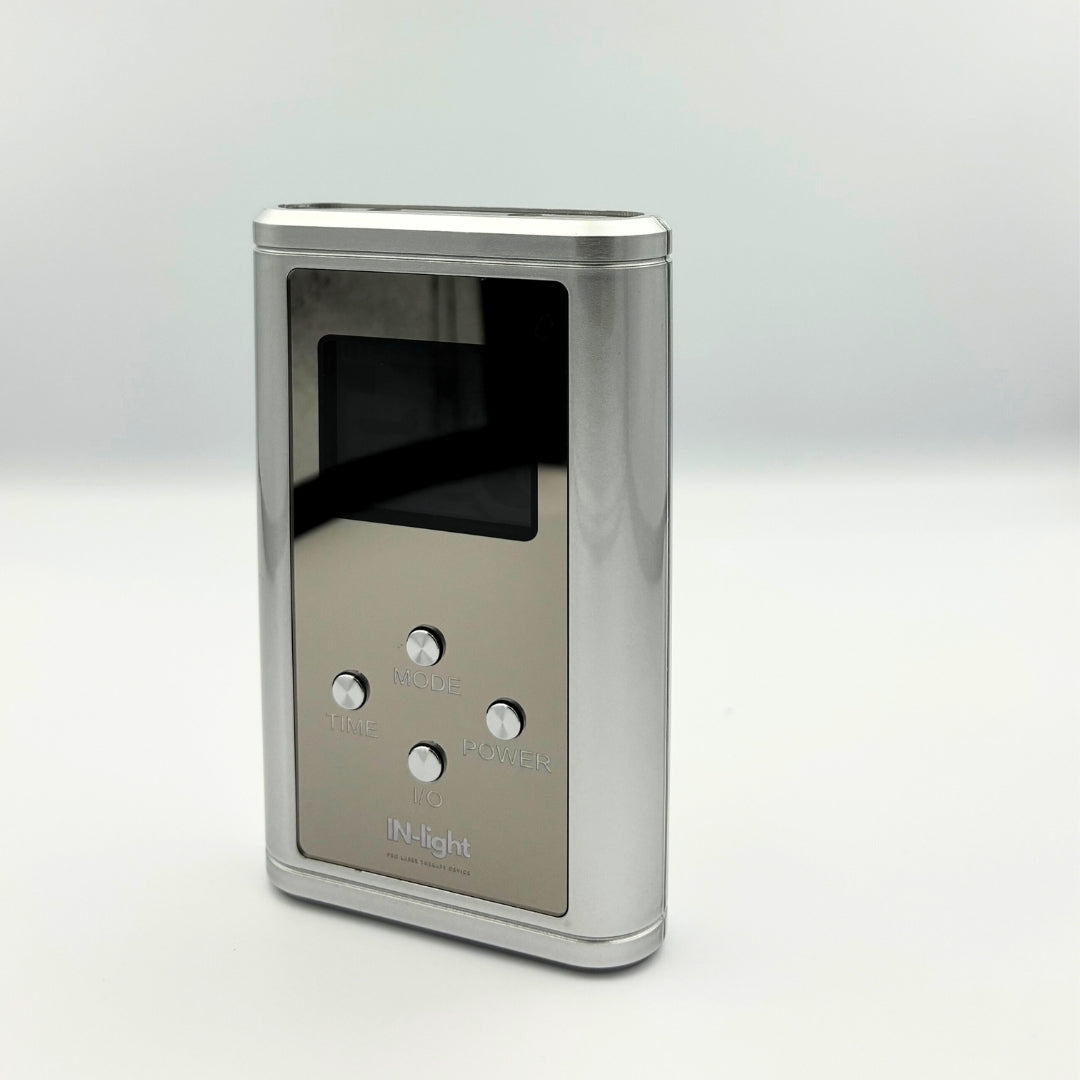
The IN-light Pro is a red light therapy device that can be used for cluster headaches. It also helps with other symptoms and conditions, such as migraine, fatigue and more.