Everyone experiences stress from time to time. But if you’re often feeling tense, your body will show it. In this blog, you’ll read about the common symptoms of stress that you really shouldn’t ignore.
How do you know if you’re stressed?
If you’re stressed, you might realise it, but you can also experience unconscious symptoms of stress. It’s a natural reaction from your body, and a little stress isn’t necessarily a bad thing. But if you’re under too much stress or it’s affecting you over a long period, there are a number of signs to look out for. These include:
- Fatigue
- Headaches
- Sleep problems
- Muscle tension
- Feeling on edge
- Vague symptoms such as skin rashes, itching or spots
Prolonged stress can also manifest itself in other physical symptoms. For example, you may experience digestive problems, and some people even develop stomach ulcers as a result of stress.
Is stress always bad?
Stress is certainly not always bad. Short-term stress actually helps your body to stay alert and perform better in situations where this is needed. But if stress persists for a long time, you don’t take time to recover and it perhaps even becomes chronic, then it’s time to recognise the symptoms and tackle them.
9 common symptoms of stress
1. Fatigue and low energy
Persistent fatigue is often one of the first symptoms of stress. You probably often feel tired and run out of energy quickly, even if you seem to be sleeping well.
2. Emotional symptoms such as irritability and worrying
Emotional stress is common during busy periods. You might find yourself getting irritated more easily, worrying a lot, crying more readily or feeling overwhelmed more quickly for no obvious reason.
3. Sleep problems
There’s a good chance you’re not sleeping as well as you should, whether you realise it or not. You might find it hard to fall asleep or wake up during the night, but it could also be that you sleep well and still wake up feeling tired. Your body may be struggling to enter deep sleep.
4. Stomach ache and digestive problems
Stress often manifests itself in your digestive system. You may notice this as a stomach ache, bloating or irregular bowel movements. You might also find that you’re less hungry or, conversely, end up eating more than usual.
5. Headaches and tension in your body
Tense muscles and tension in your body can lead to headaches and perhaps a stiff neck. You may also experience jaw tension and a feeling that your face is tight.
6. Heart palpitations and a feeling of being on edge
One symptom of stress is an increased heart rate. This can feel like heart palpitations or a sensation that your body is constantly ‘switched on’.
7. Inner restlessness
Sometimes you don’t necessarily notice stress in your body, but you realise it’s mainly affecting your mind. This inner stress can prevent you from relaxing properly, make you feel agitated, or cause an inexplicable sense of restlessness.
8. Getting ill more often or having a weakened immune system
Prolonged or chronic stress can weaken your immune system. As a result, you might catch colds more often, fall ill more easily or need more time to make a full recovery.
9. Difficulty concentrating and forgetfulness
You might find yourself easily distracted, forgetting things or struggling to think clearly. This brain fog is common when your body is in a state of stress.
How can you reduce or even prevent stress?
You can reduce stress by recognising patterns. Once you know what causes your stress and examine how you deal with it, you’ll also know what to do to tackle the problem. Here’s how to give your body and mind more rest:
- Get enough sleep and maintain a regular sleep pattern
- Take plenty of breaks throughout the day
- Exercise regularly
- Limit screen time and constant stimuli
- Learn to set boundaries and say no
- Do breathing exercises and meditate regularly
- Talk about your feelings with others
- Eat a healthy and varied diet to support your body and brain
- Use intranasal red light therapy
Intranasal red light therapy is a tool for tackling stress, its causes and its symptoms.

Reduce stress with intranasal red light therapy
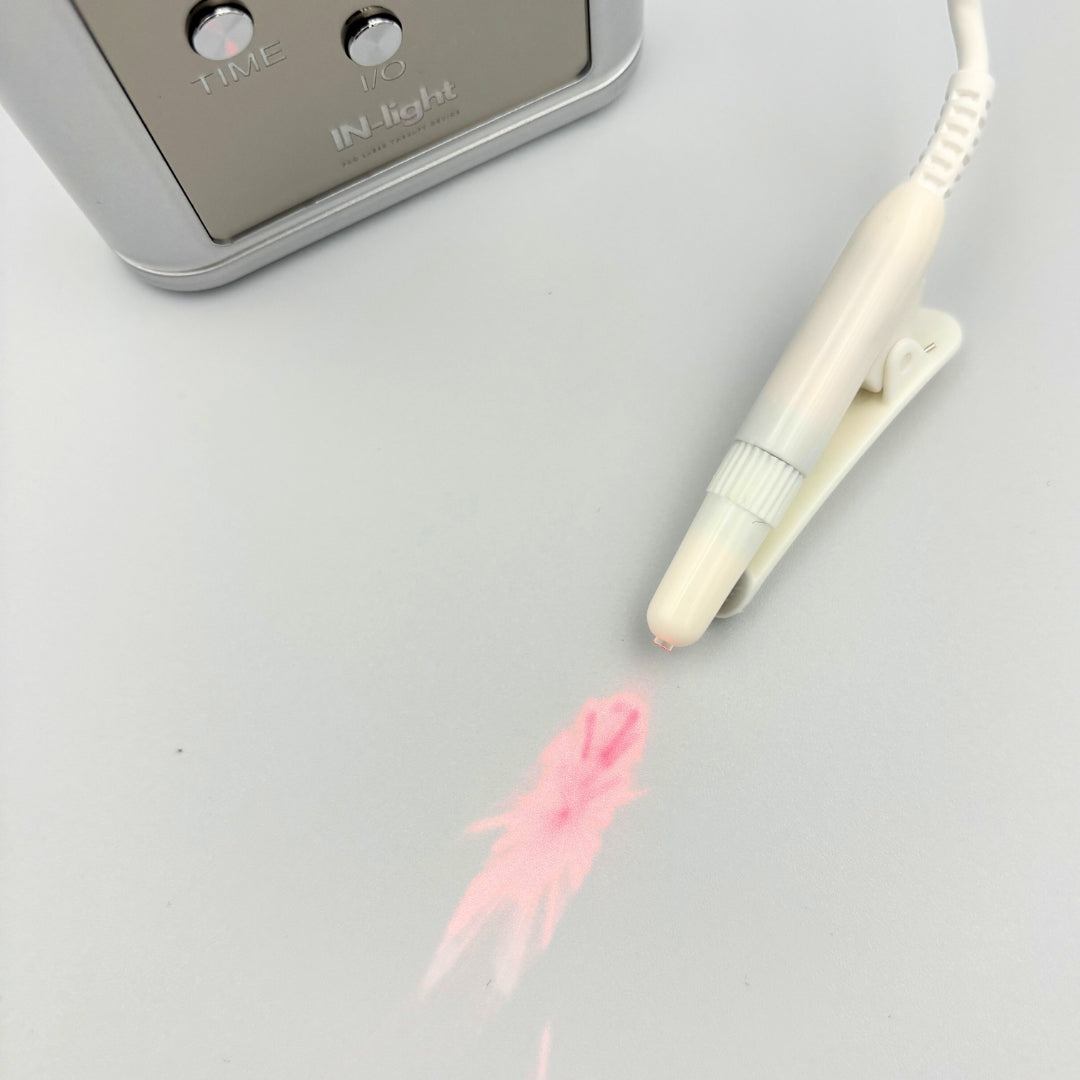
Intranasal red light therapy works by delivering light into the body via the nose, where it influences deeper physiological processes. The light is absorbed by the mitochondria, the powerhouses of your cells. This supports cellular energy production, which is important for recovery and regulating stress levels.
When you experience prolonged stress, your nervous system is often in a ‘high-alert’ state. You can use red light therapy to help regulate this system by supporting energy balance, blood flow and cellular recovery processes. As a result, many people experience greater relaxation, a clearer mind and improved resilience.
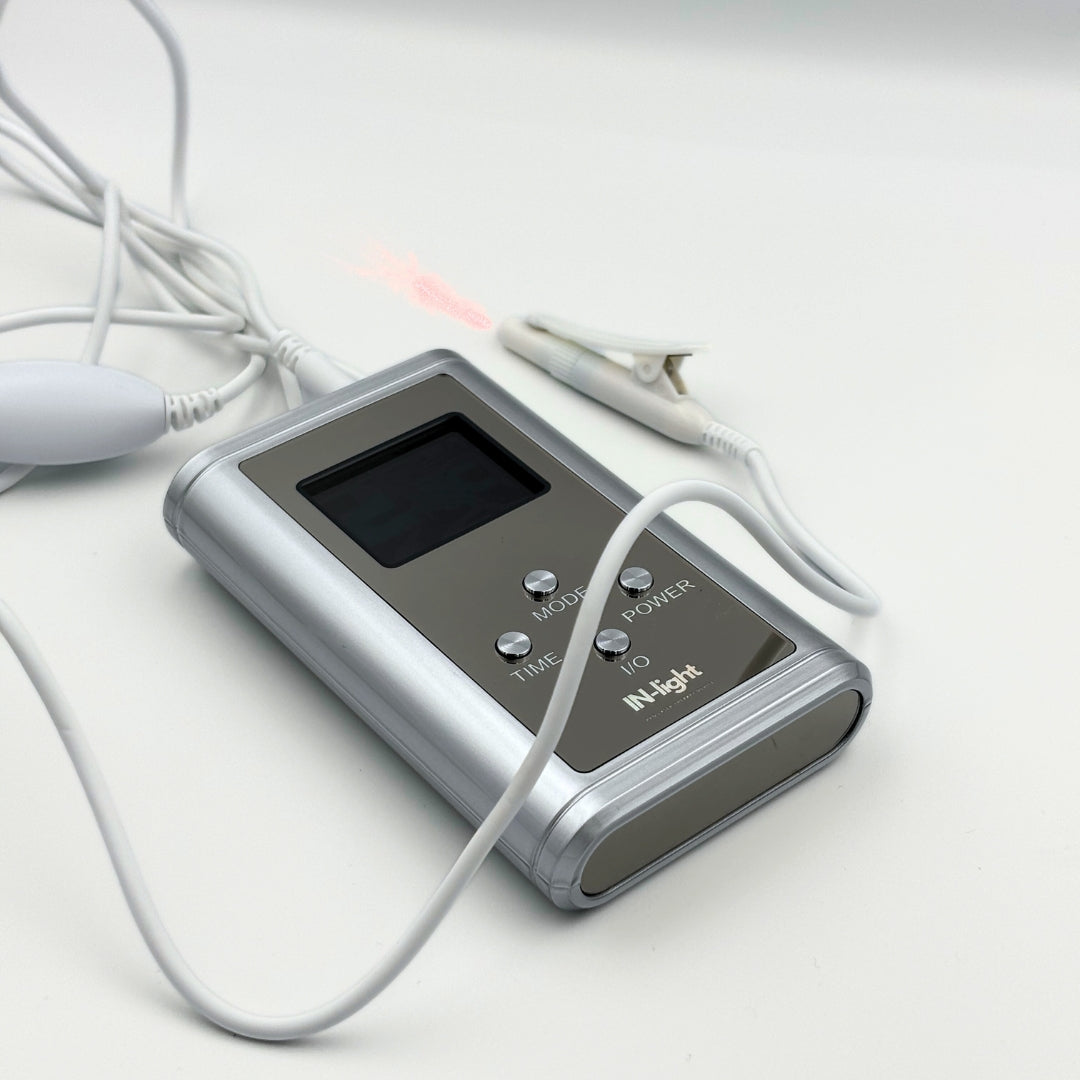
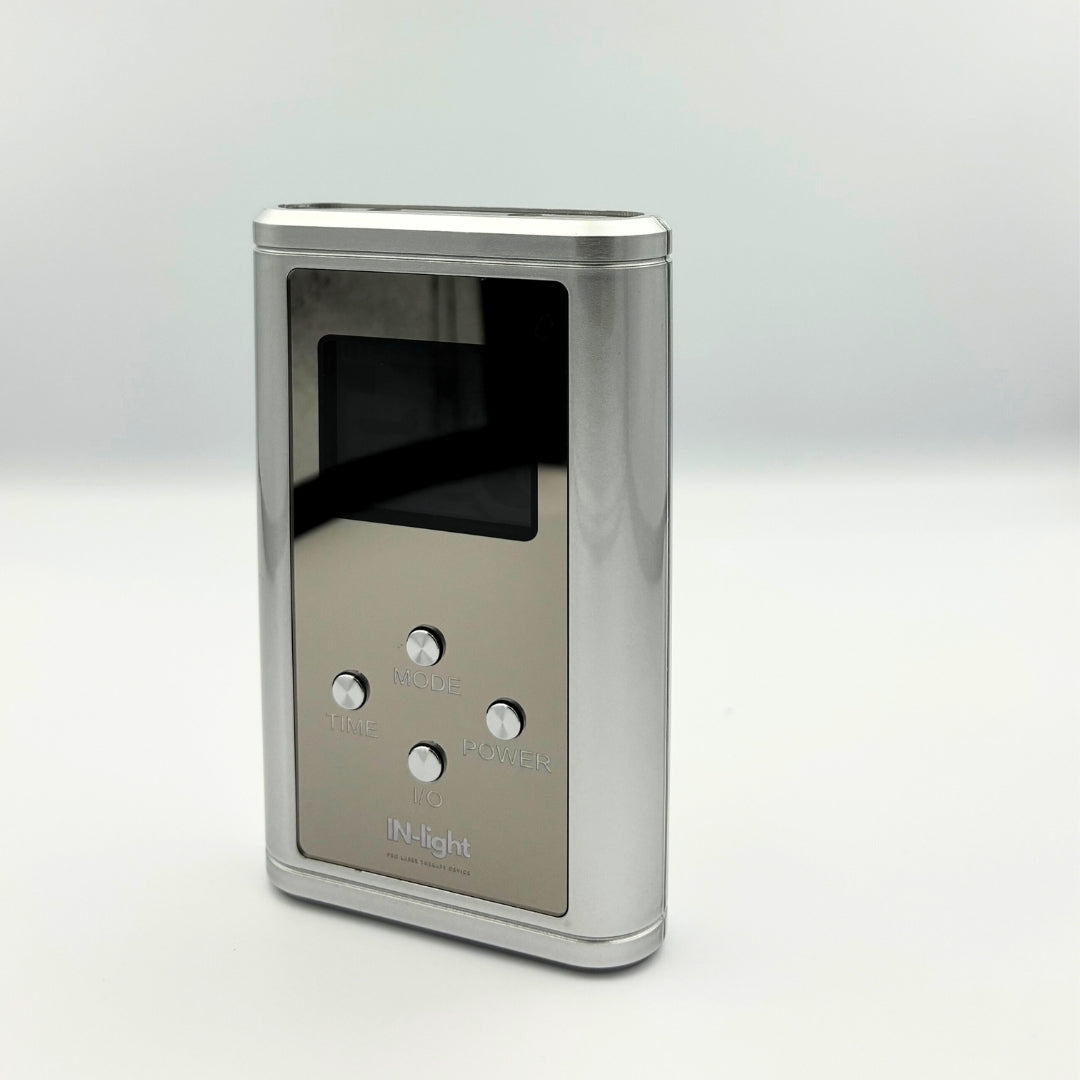
Red light therapy from IN-light
The IN-light Pro is a red light therapy device that you can use to manage stress. It helps support and restore the body, and experiences with this laser have shown that it can also help with stress symptoms such as a weakened immune system, brain fog and fatigue.