Brain fog is very annoying when you want to concentrate. It often makes it harder to think clearly and leaves you feeling more mentally tired than usual. Brain fog often occurs when you are stressed or have sleep problems, but it can also be caused by something more serious, such as long COVID. Read on to find out exactly what brain fog is and what you can do about it.
What is brain fog?
Brain fog is a “hazy” feeling in your head, also known as brain mist. You may feel like you can no longer think clearly and that you are mentally tired. These are also well-known brain fog symptoms:
- Difficulty concentrating
- Slower thinking
- A dull or foggy feeling in your head
- Being easily mentally overstimulated
- Forgetfulness
- Difficulty finding the right words
- Feeling absent-minded
Brain fog may well be temporary, for example if you have not slept well. However, some people also suffer from brain fog after COVID-19 or other illnesses, in which case it persists for longer.
What causes brain fog?
Brain fog can be caused by many different things. In many cases, it is a result of stress, poor sleep or mental fatigue. Hormonal fluctuations such as the menopause, a lack of nutrients or intestinal problems can also cause brain fog.
In addition, more and more is becoming known about brain fog as a result of long COVID and the fatigue that comes with it. This is because the body cannot recover properly, which is why brain fog is common after COVID-19. There are various treatments for this, such as intranasal red light therapy for long COVID.
How long can brain fog last?
How long brain fog lasts varies from person to person and depends on the cause. It is often temporary and goes away on its own within a few days or weeks. This is especially the case if it is caused by stress, lack of sleep or a temporary unhealthy lifestyle. In addition, it can also last longer for some people, especially if the cause is more profound. Think of long COVID, chronic stress or hormonal imbalance. Fortunately, there are things you can do yourself to reduce this brain fog.

Source: Pexels
How do you get rid of brain fog?
In many cases, it is quite easy to remedy brain fog if you are willing to do something about it yourself. Below are some tips you can use to quickly feel clear-headed again.
1. Make sure you get enough rest and recovery time
Your brain needs breaks to recover properly. Therefore, reduce stimuli, such as social media, and make sure you get enough good quality sleep.
2. Reduce stress
If you experience prolonged or excessive stress, your nervous system will remain active. Therefore, make rest a priority. Do breathing exercises, go for walks without distractions or use other relaxation techniques to calm yourself (mentally).
3. Exercise regularly
Exercise regularly, even if it's just a short walk or a few stretches. This stimulates blood flow and oxygen supply to your brain, which actually helps it to become clearer.
4. Prioritise healthy food
Nutritious meals and drinking enough water ensure more stable energy and concentration levels. If your blood sugar levels fluctuate a lot, brain fog can get worse. So don't eat too much sugar, don't drink too much coffee and eat throughout the day.
5. Investigate the underlying cause
If your brain fog persists, it is important to look at where it comes from. You may have certain deficiencies or your hormones may be out of balance. Once you know this, you can start to address it.
6. Use red light therapy
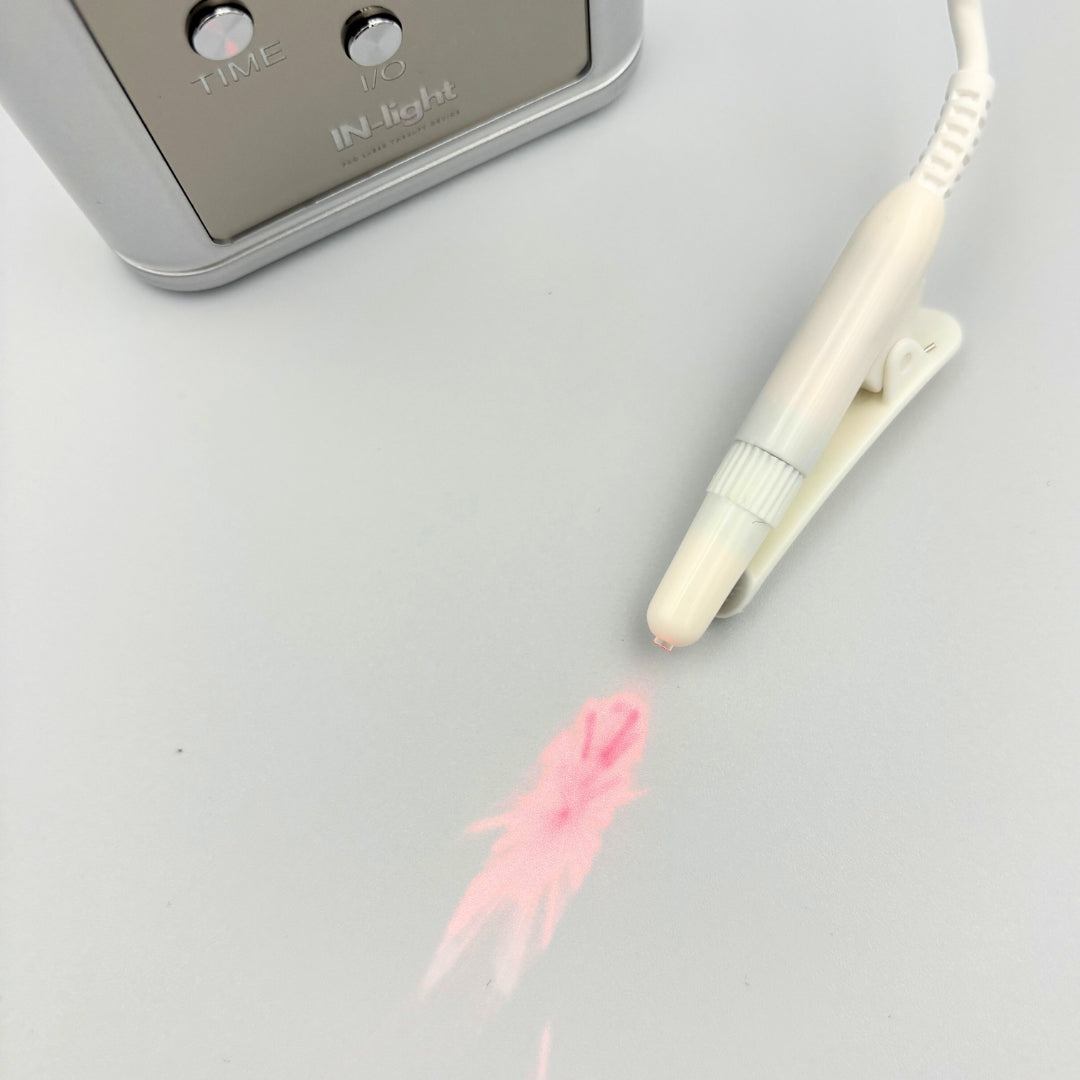
Red light therapy can address the cause of brain fog. This involves intranasal red light therapy, where you use red light through the nose to stimulate the entire body. This helps improve blood flow, oxygen uptake and energy production in the body. Below, we explain more about why this red light can be effective as a brain fog treatment.
How does red light therapy help with brain fog?
Intranasal red light therapy helps with brain fog because it works at the cellular level. The red light is used through the nose and thus reaches the cells in the blood. It stimulates the mitochondria in the cells, enabling them to produce ATP more efficiently. ATP is the main source of energy for the brain, and a deficiency of this contributes to the “fuzzy” feeling and concentration problems associated with brain fog.
The red light also improves blood flow and oxygen uptake to the brain. In addition, red light can also reduce inflammation, which is relevant in cases of brain fog caused by prolonged stress or chronic conditions such as long COVID.
With more energy in the cells, better blood flow and less inflammation, many people experience greater focus, mental clarity and alertness. There are many experiences of people who use intranasal red light therapy for brain fog caused by, among other things, long COVID.
Red light therapy from IN-light for brain fog
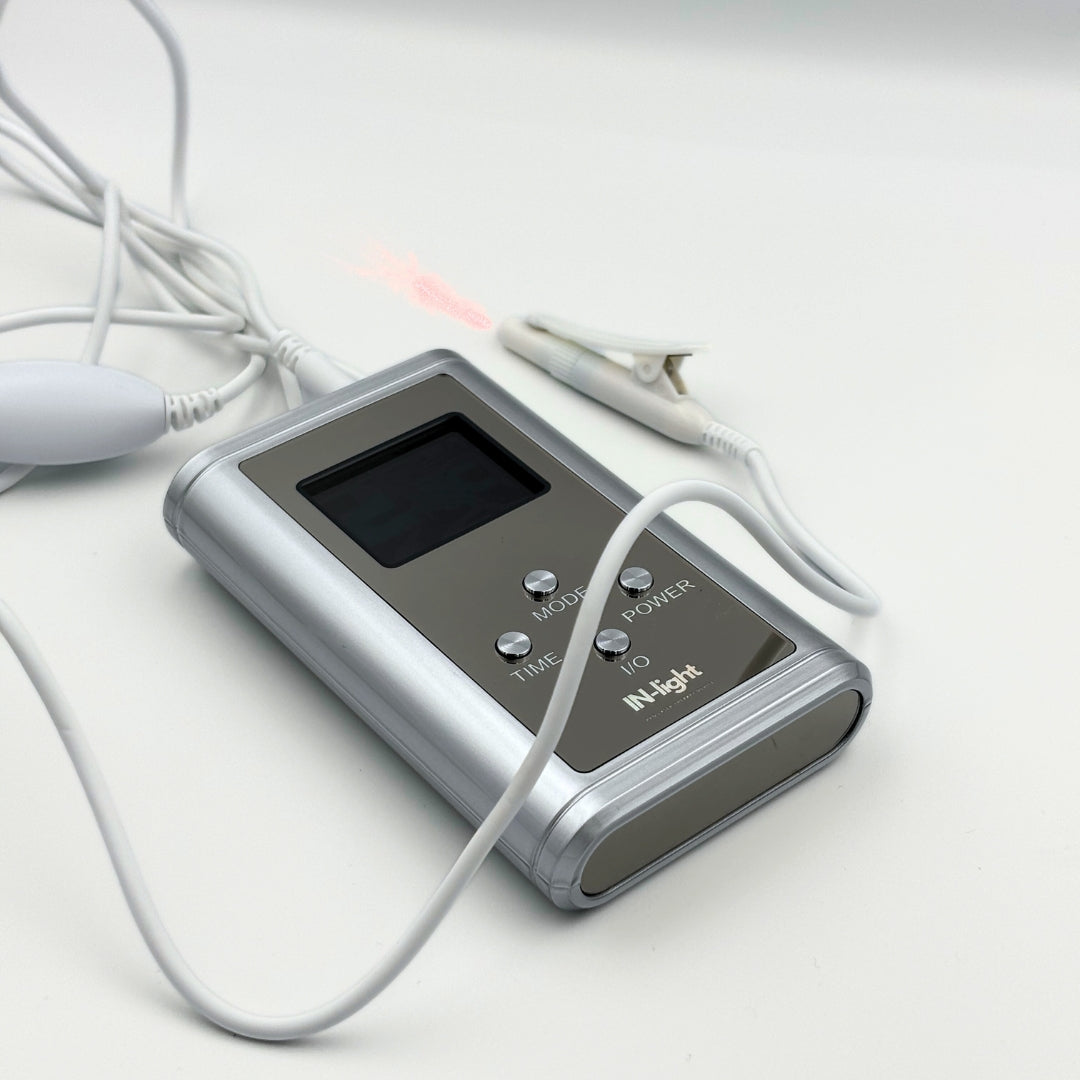
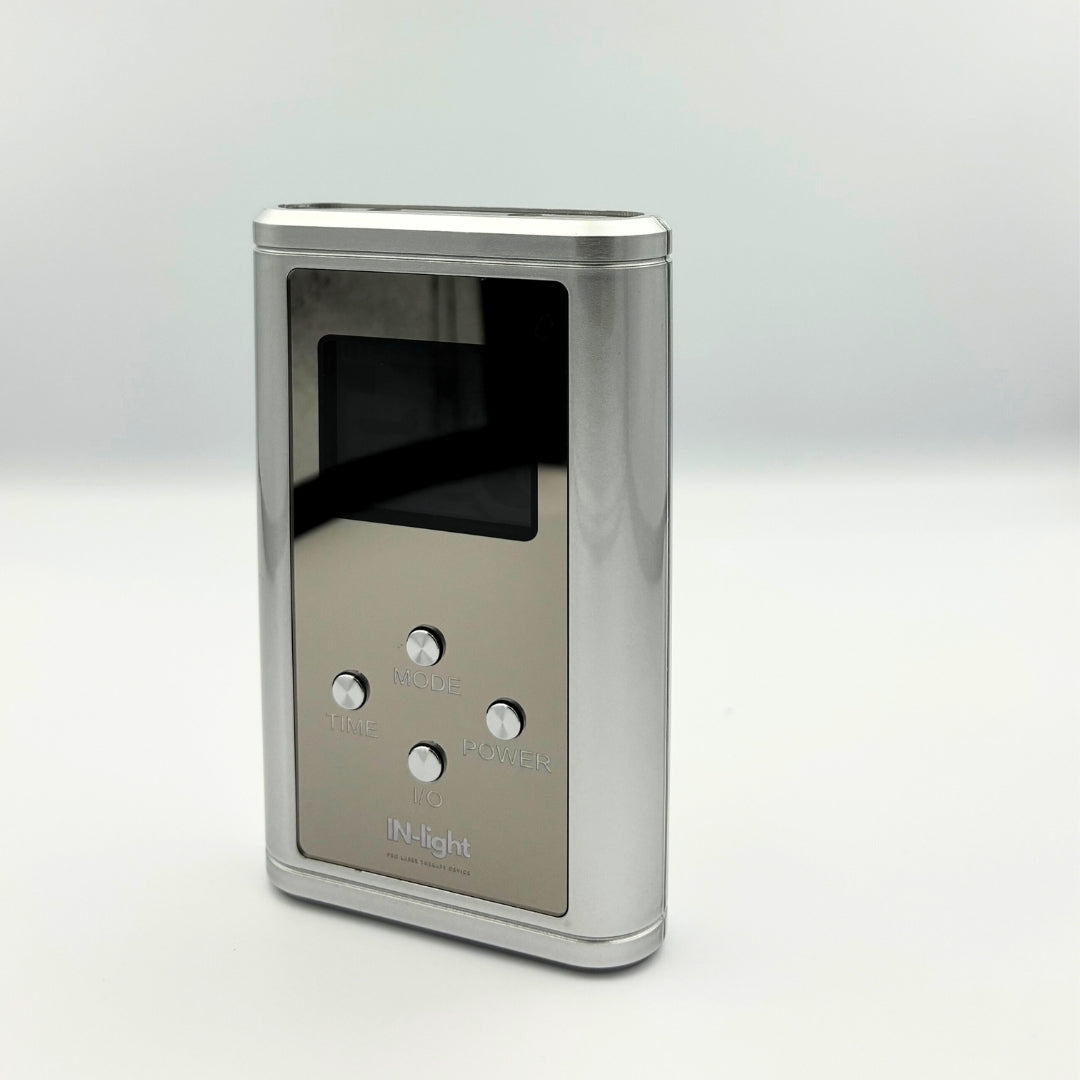
The IN-light Pro is a red light therapy laser that can help with brain fog caused by long COVID or other conditions. You can use the laser yourself, wherever and whenever you want. This means you can use the laser during moments of rest or while you work!