




Frequently waking up at night? 7 causes and solutions
Waking up at night and being unable to sleep can be very frustrating. After all, you want to sleep through the night and wake up refreshed. We will tell you the possible causes of waking...

Improving your blood circulation is important for feeling healthy. It is also nice to have less trouble with cold hands and feet. Are you curious about how you can improve your blood circulation yourself? Then read on.
Poor circulation is often first noticeable in your hands and feet. You may also notice that the circulation in your legs is not optimal. Here are some other symptoms:
These symptoms indicate that your circulation is not good enough. Fortunately, there are many things you can do to improve your blood circulation.
Of course, it may also be that your blood circulation is good. You can recognise this by the following:
These signs indicate that your blood is circulating well and that oxygen and nutrients are being transported efficiently to your muscles and organs.

Source: Pexels
Exercise stimulates blood circulation, especially in the legs and feet. If you have itchy legs due to poor blood circulation, this is always a good tip. Regular walking, cycling or light strength training can make all the difference.
If you have to sit a lot during your work, for example, make sure you get up regularly. Sitting still for long periods of time can cause poor blood circulation or slow it down. Get up every hour to move around a little.
You can also improve your blood circulation by drinking enough fluids. Water helps to thin your blood, allowing it to flow properly. In addition, do not drink too much caffeine or alcohol, as this can interfere with blood circulation.
Help your body by wearing warm socks and long clothing. This warmth supports circulation. Cold constricts the blood vessels, making blood flow more difficult.
Healthy fats and vegetables contribute to better blood flow. You can also add herbs such as ginger and garlic to your diet.
Red light therapy improves blood flow. This involves intranasal light therapy, in which red light is used through the nose to stimulate the entire body.
Red light therapy works at the cellular level and therefore supports blood flow in a natural way.
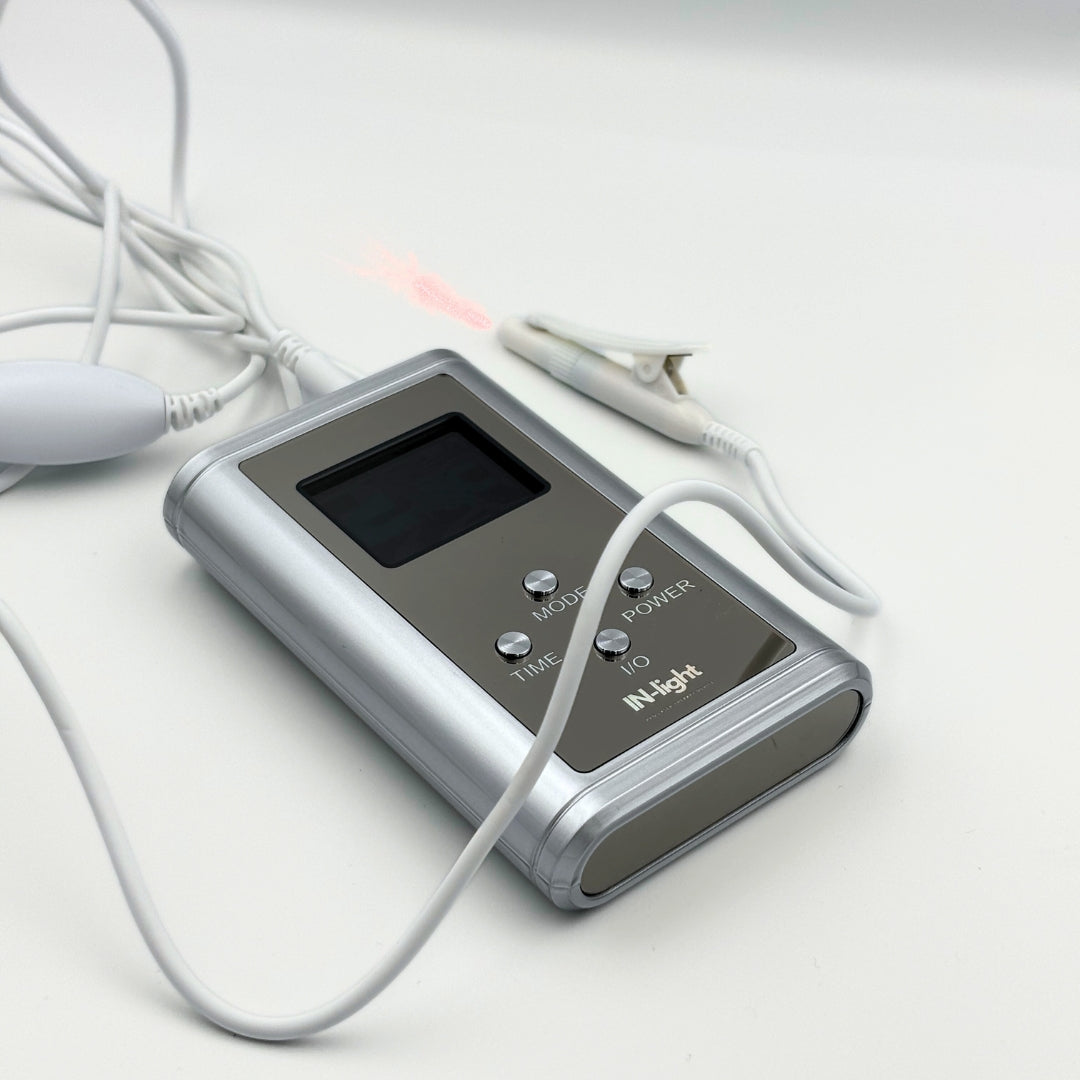
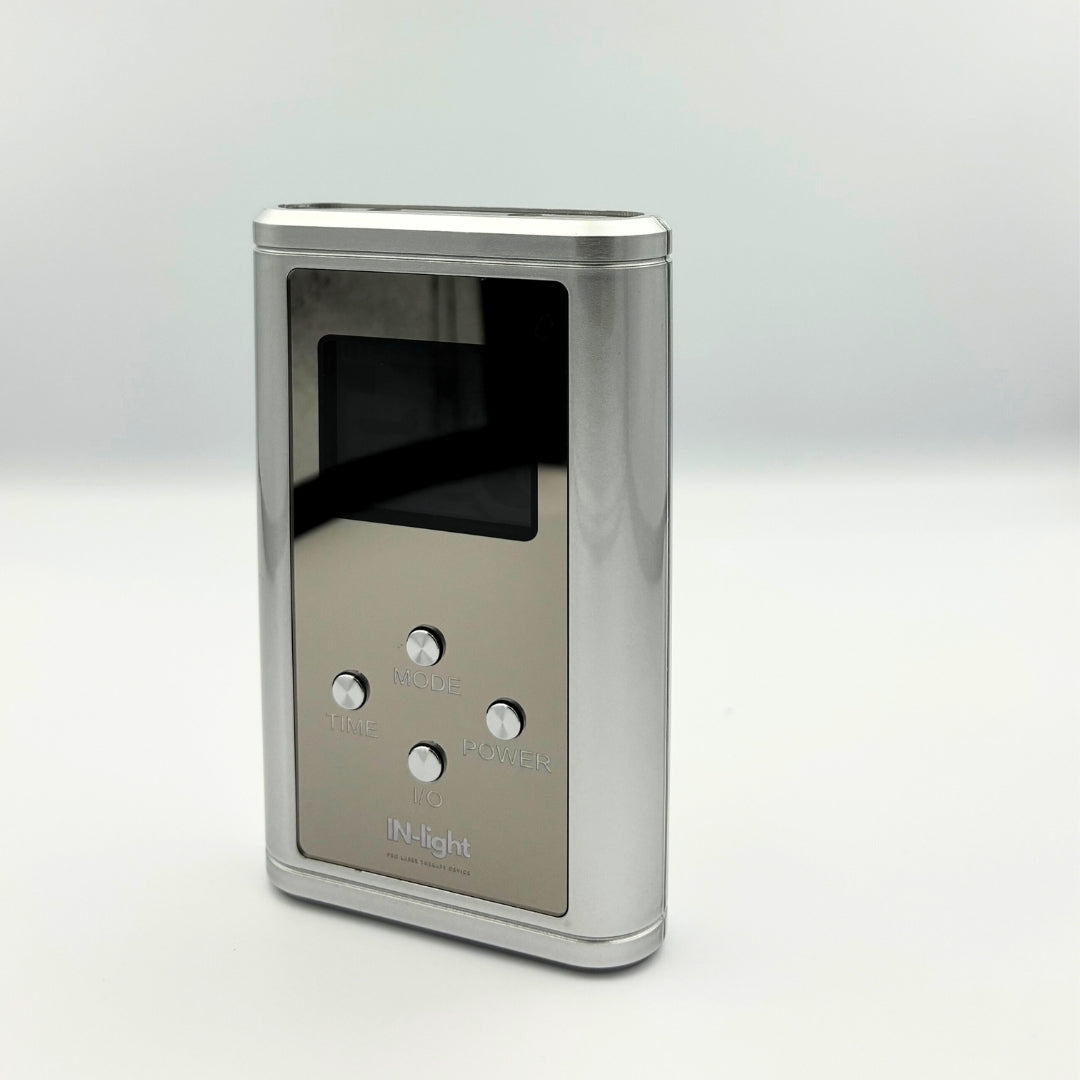
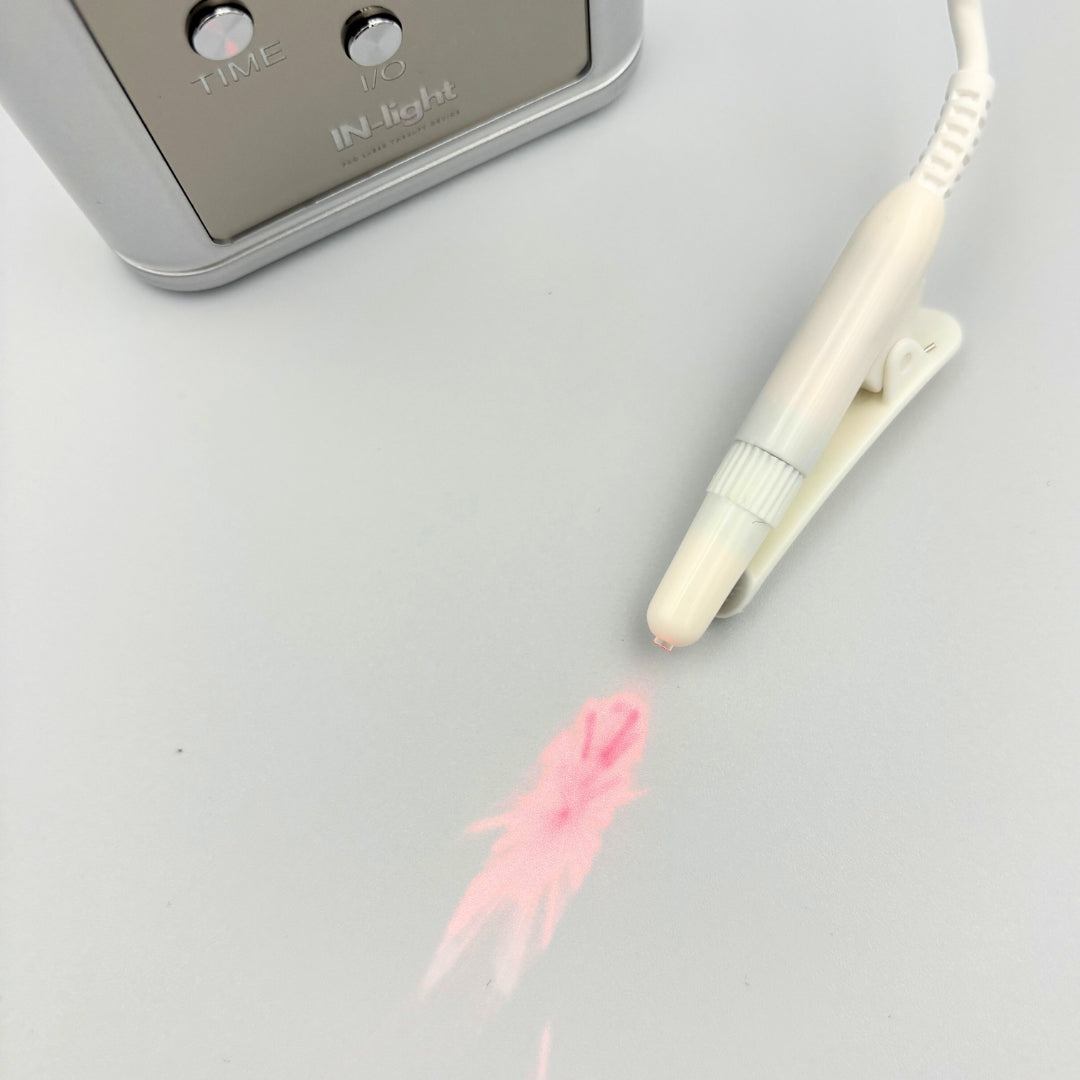
With intranasal red light therapy, such as the IN-light Pro, red light shines directly onto the blood through the nasal mucosa. There are many small blood vessels in this area, allowing the light to quickly affect the entire body.
The red light is absorbed by the mitochondria, the powerhouses of our cells. This can increase the production of ATP (energy). With more energy, cells, including those in blood vessels, can function better.
In addition, red light can:
Because intranasal red light therapy affects the blood, it does not work locally but supports overall blood flow, including that of the hands, feet and legs.

The IN-light Pro is an intranasal red light therapy laser that can improve blood flow and offer the above benefits. You can use the IN-light laser at home, during your daily activities. This means you don't have to spend any extra time on it while still working on your health!


