



Do you get tired easily? These could be the reasons why
Do you get tired quickly? Then you are probably looking for the reason why you feel this way. We will tell you the possible reasons why you get tired quickly, and how you can do...

Concentrating is not always easy. Especially during periods of stress and busyness, your concentration span is not always as high as it could be. But it may also be that you have difficulty focusing and have no idea why. Here you can read about possible causes and symptoms of not being able to concentrate, as well as possible solutions.
You can often recognise an inability to concentrate by various things. It can affect you mentally, but physical symptoms often play a role too. You can recognise that you have difficulty concentrating by:
Of course, it is not realistic for anyone to be able to concentrate fully all the time, but if you often have concentration problems, it is important to look at the cause. This is the only way to learn to concentrate again.
If you have difficulty concentrating, this can be caused by many different things. It is important to look at your lifestyle. Are you getting enough sleep, eating healthily and drinking plenty of water? These “small” things have a big impact on your concentration span. You may also be suffering from stress, anxiety or too many stimuli from your phone, for example.
In some cases, an underlying condition can also affect your concentration, such as migraines, fatigue disorders, hormonal problems or even diabetes. In addition, a busy environment or poor lighting can also affect your concentration. But we have good news: you can learn to concentrate!

Source: Pexels
This may be an obvious tip, but a well-rested brain can process information much better. Therefore, try to get 8 hours of sleep every night. To improve your sleep quality, you can reduce your screen time before bed and avoid drinking too much caffeine during the day.
It's easier to concentrate when you have a clear plan. Make a schedule that really suits you, rather than something you've found on the internet. This may take some time to figure out, but once you've made a plan that fits your lifestyle, you'll undoubtedly be able to concentrate better.
Put your phone in another room, turn off notifications on your computer and work in a quiet environment. It can be nice to look at a wall so you are not distracted by the view. It is easier to concentrate in a space that is designed for that purpose.
Sufficient exercise stimulates your blood circulation and increases alertness. Even a short walk or a gentle stretching routine can boost your concentration.
Eat foods that stimulate brain function, such as omega-3, vitamins and minerals. It is also important to stay well hydrated to avoid fatigue.
Problems with focus can also arise from underlying causes. These include hormonal imbalance, stress, other health factors and even medical conditions. Practise stress management, but also see a doctor if you think there is something else going on.
Take conscious breaks that boost your brain, not distract it. Don't scroll through social media, but do breathing exercises, a short meditation or take a walk in the fresh air. This will clear your head and reset you so you can get back to work.
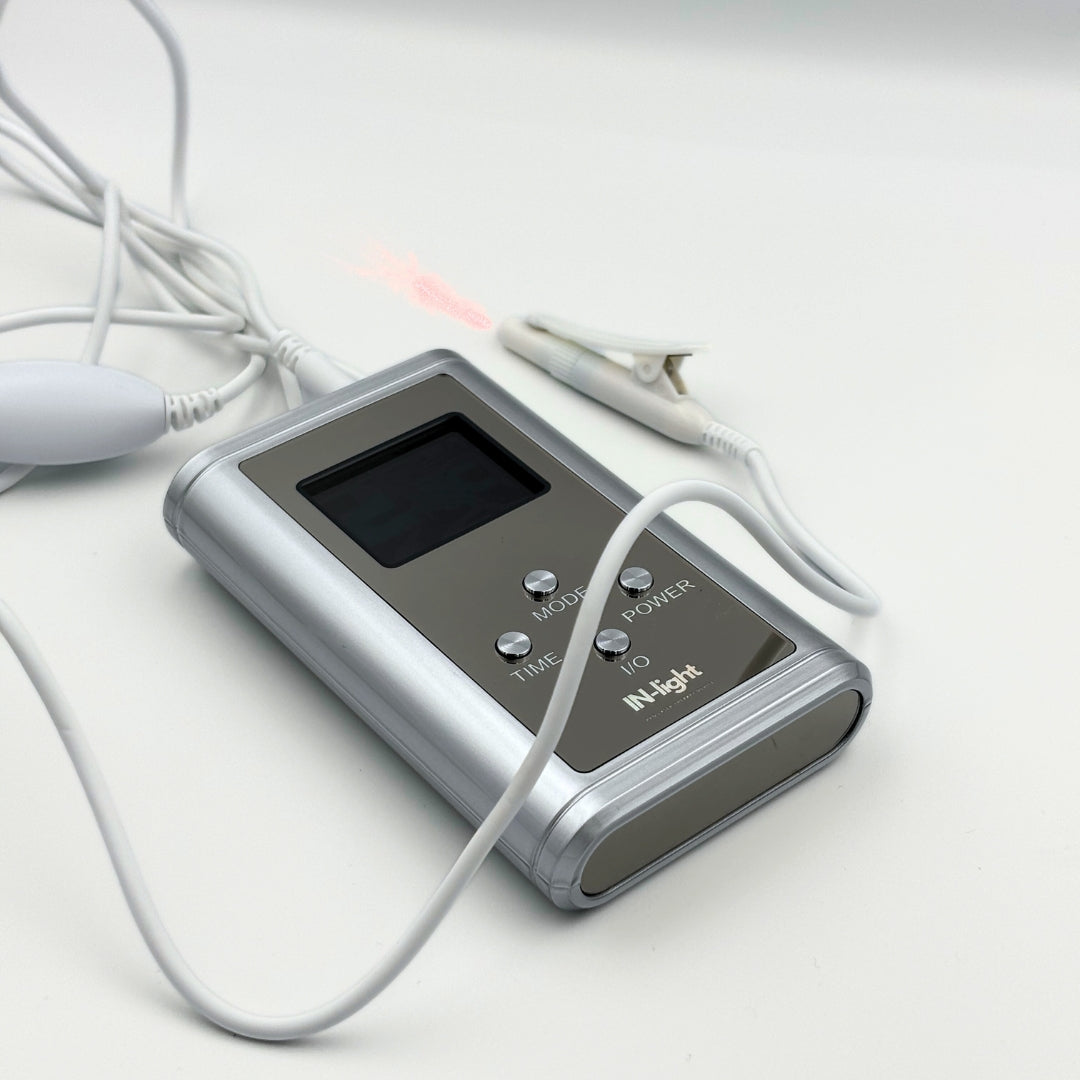
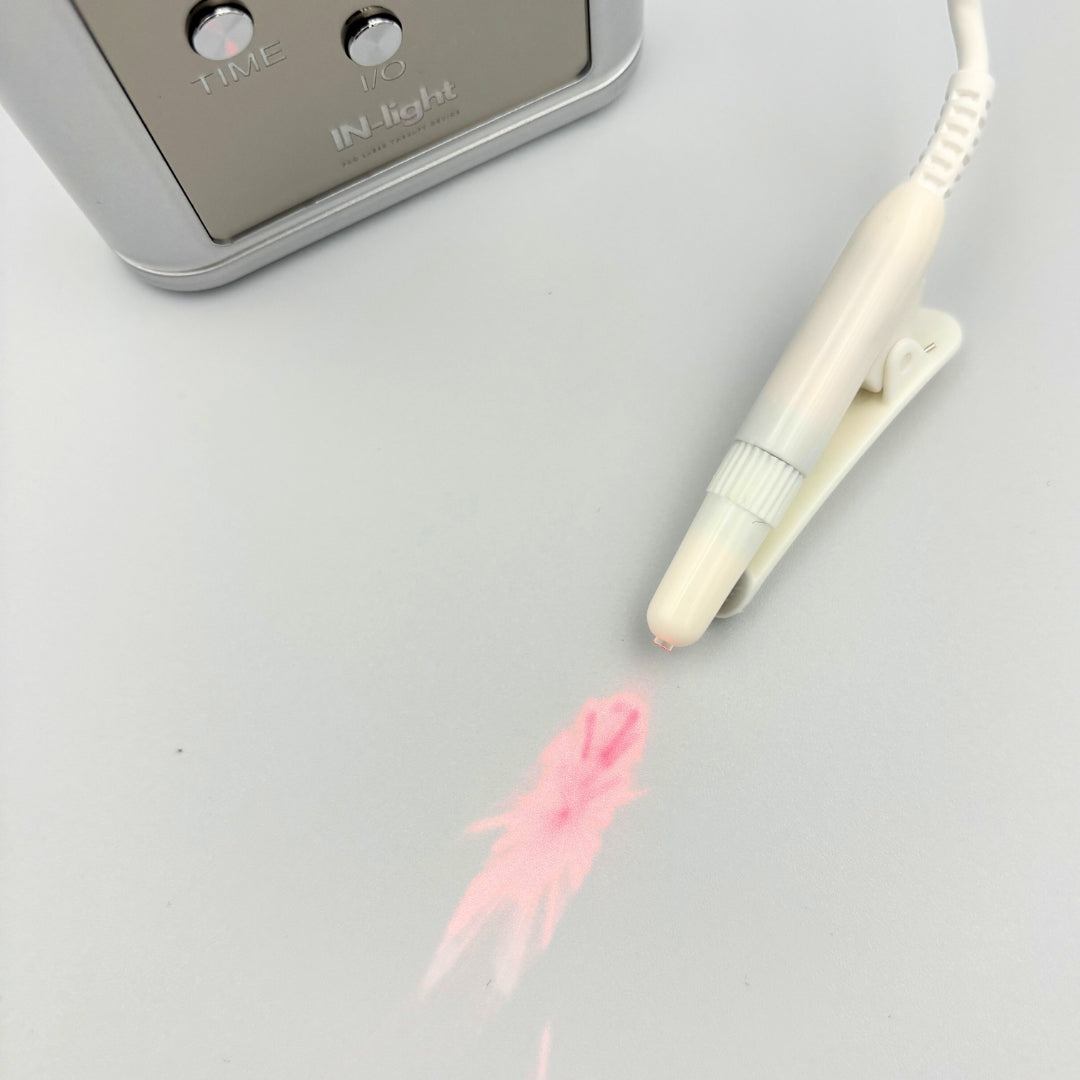
Red light therapy helps to improve blood flow and oxygen supply to the brain. This involves intranasal red light therapy, where you insert a small red light into your nose to stimulate processes in your body. You can do this at home, without it taking up any time.

Intranasal red light therapy, red light through the nose, helps to improve your ability to concentrate. This works because the red light stimulates the mitochondria in the cells. These are the “powerhouses” of the cells, which also give your brain more energy and allow it to function more efficiently. This particularly improves focus, mental clarity and reduces brain fog and increases alertness.
The red light also improves blood flow and oxygen supply to the brain, providing it with more nutrients. This is especially beneficial when concentration problems stem from fatigue, stress or low energy levels.
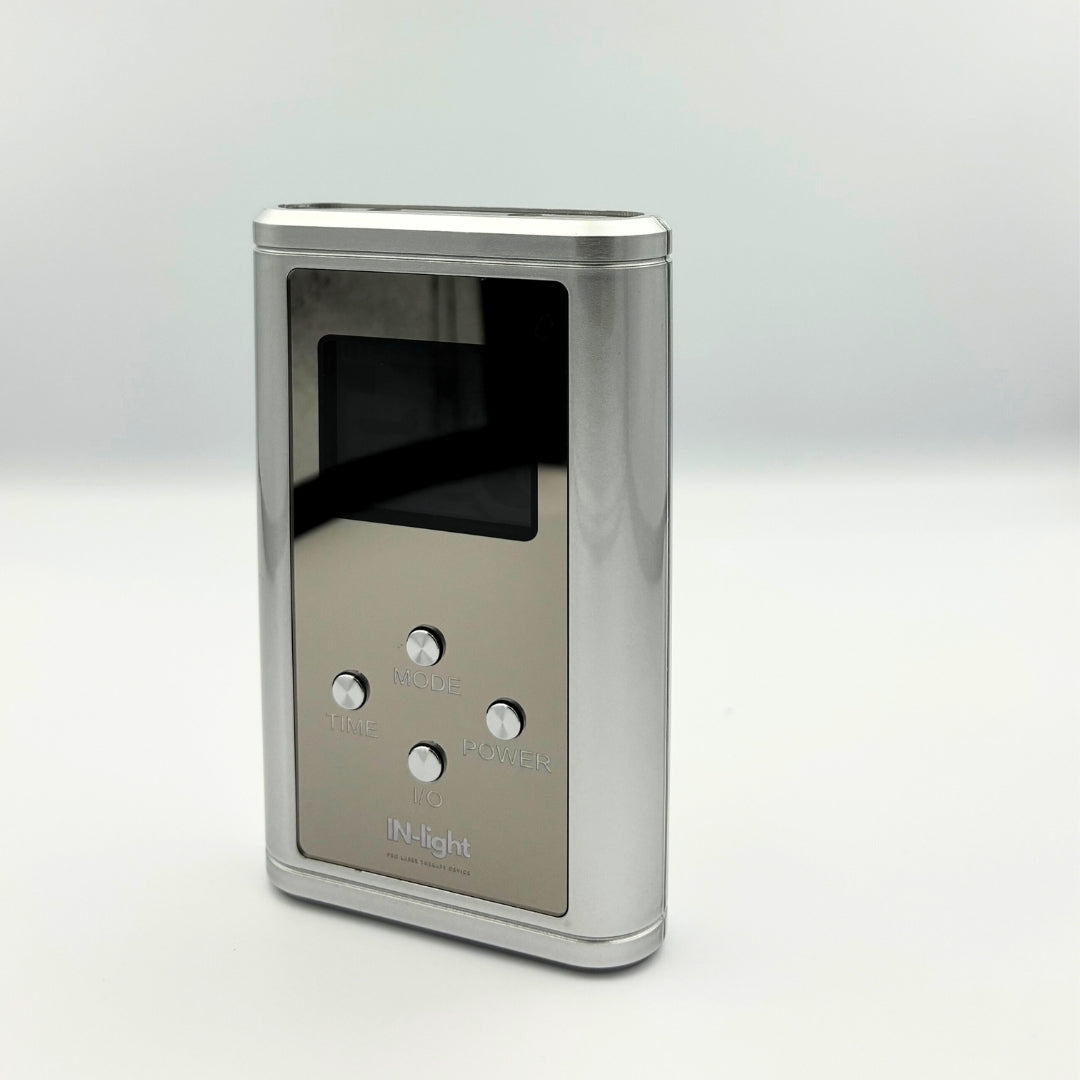
The IN-light laser is an intranasal red light therapy laser that can help improve concentration. You can even use the laser while concentrating, so you don't waste any extra time and still reap the benefits. In addition, the IN-light laser also helps with other complaints and conditions, such as migraine and Long Covid. Take a look here to see what else the laser can help with!


