Source: Pexels
If you’re feeling dizzy, it’s always an unpleasant sensation. Although the cause isn’t always serious, you’ll naturally want to do something about it. In this article, you’ll find tips you can use if you’re feeling dizzy.
What could be causing the dizziness?
Dizziness can have various causes. Most causes are relatively harmless, but it is important to find out what is causing it. Common possibilities include low blood pressure, stress, anaemia, loose crystals, tiredness or blood sugar levels. Here you can read about other possible causes.
What are the warning signs of dizziness?
Although it is usually harmless, dizziness can in some cases indicate a more serious problem. You should therefore watch out for these warning signs:
- Severe dizziness that you have not experienced before
- Loss of function or strength in parts of the body
- Difficulty speaking or seeing
- A severe headache that comes on suddenly
- Sudden hearing loss
In these cases, it is important to contact a doctor straight away. Are you simply experiencing dizziness without these warning signs and would you like to know what you can do about it? Then read on.
9 tips for dealing with dizziness
1. Stand up slowly
If you’ve been sitting or lying down, stand up slowly. Dizziness can occur when your blood pressure changes as you stand up. So take a moment to get used to your new position.
2. Drink plenty of water
Always drink plenty of water throughout the day. If the weather is hot or if you’ve been sweating a lot, it’s important to drink even more. Dehydration can also cause dizziness.
3. Eat something regularly
If you go without food for a long time, your blood sugar levels will drop. This can make you feel light-headed. You should therefore eat regularly and have a varied diet to maintain your energy levels.
4. Ensure you get enough rest and sleep
Fatigue and lack of sleep can cause dizziness. Maintain a good sleep routine and give your body enough time to recover after exercise or stress.
5. Reduce stress and tension
Stress, tension and a hectic lifestyle can trigger symptoms or even make them worse. So make sure you do plenty of relaxation exercises, pay close attention to your breathing and take regular breaks.
6. Move gently and be mindful of your posture
If you move your head suddenly or change your posture quickly, this can cause dizziness. You should therefore move as gently as possible and avoid movements that trigger the symptoms.
7. Maintain good balance
It may help to practise your balance if you suffer from certain balance problems. The right exercises for this depend on the cause of the symptoms. It is therefore best to contact a physiotherapist for advice.
8. Make a note of when you feel dizzy
If you are not yet entirely sure what the cause is, it is best to make a note of when you feel dizzy. This will help you identify patterns and work out what the triggers are. Once you know what is causing it, you can also tackle the root of the problem.
9. Use intranasal red light therapy
Intranasal red light therapy stimulates energy production in your body by recharging the mitochondria in your cells. In doing so, it supports processes that can help reduce or prevent dizziness.

How does intranasal red light therapy help if you’re feeling dizzy?
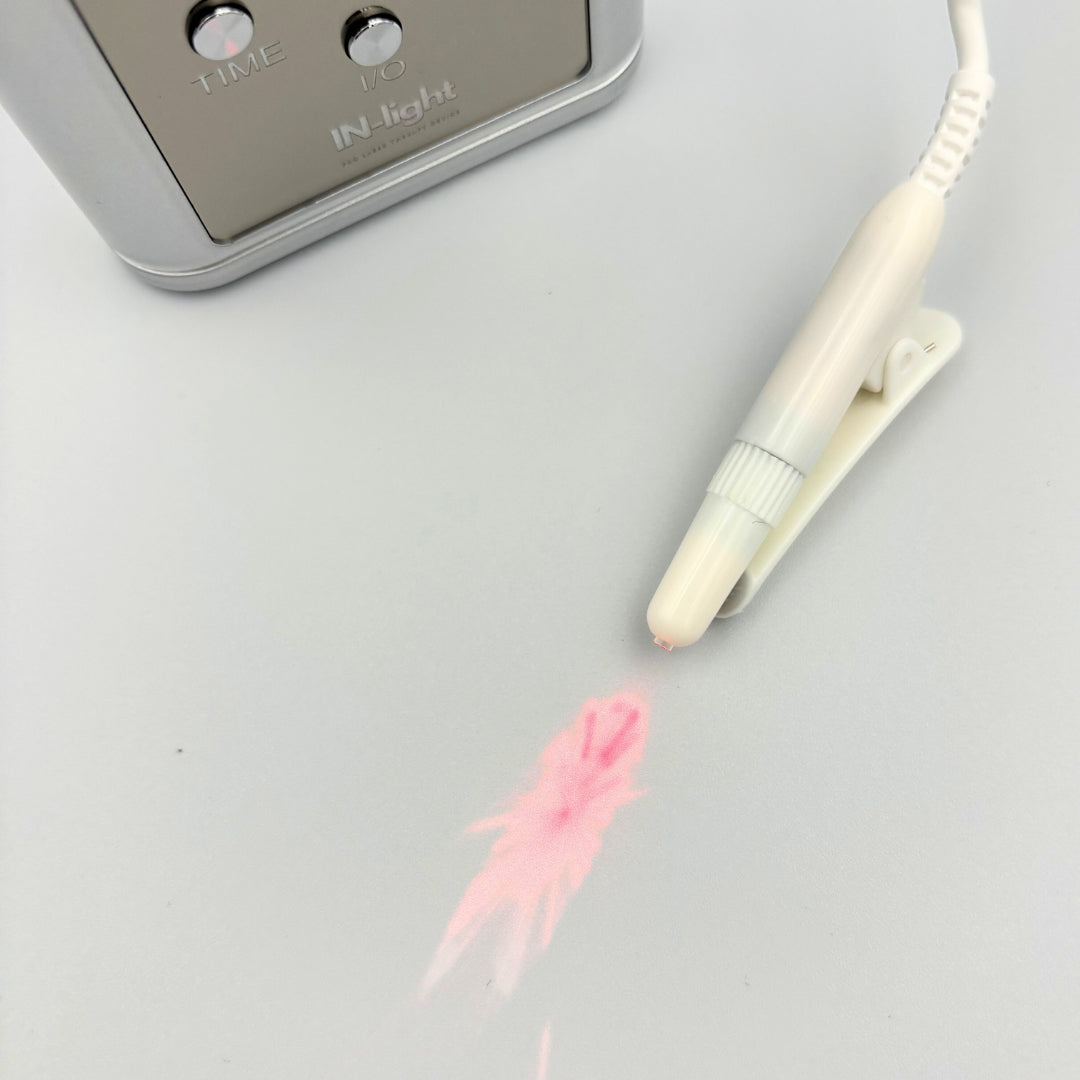
Intranasal red light therapy uses red light administered via the nose to stimulate the whole body. These are the benefits of this form of light therapy for dizziness:
- Supporting energy production by stimulating the mitochondria.
- Supporting the nervous system, which can help reduce tension and associated symptoms such as dizziness.
- Supporting cellular processes to aid energy production.
IN-light red light therapy for dizziness
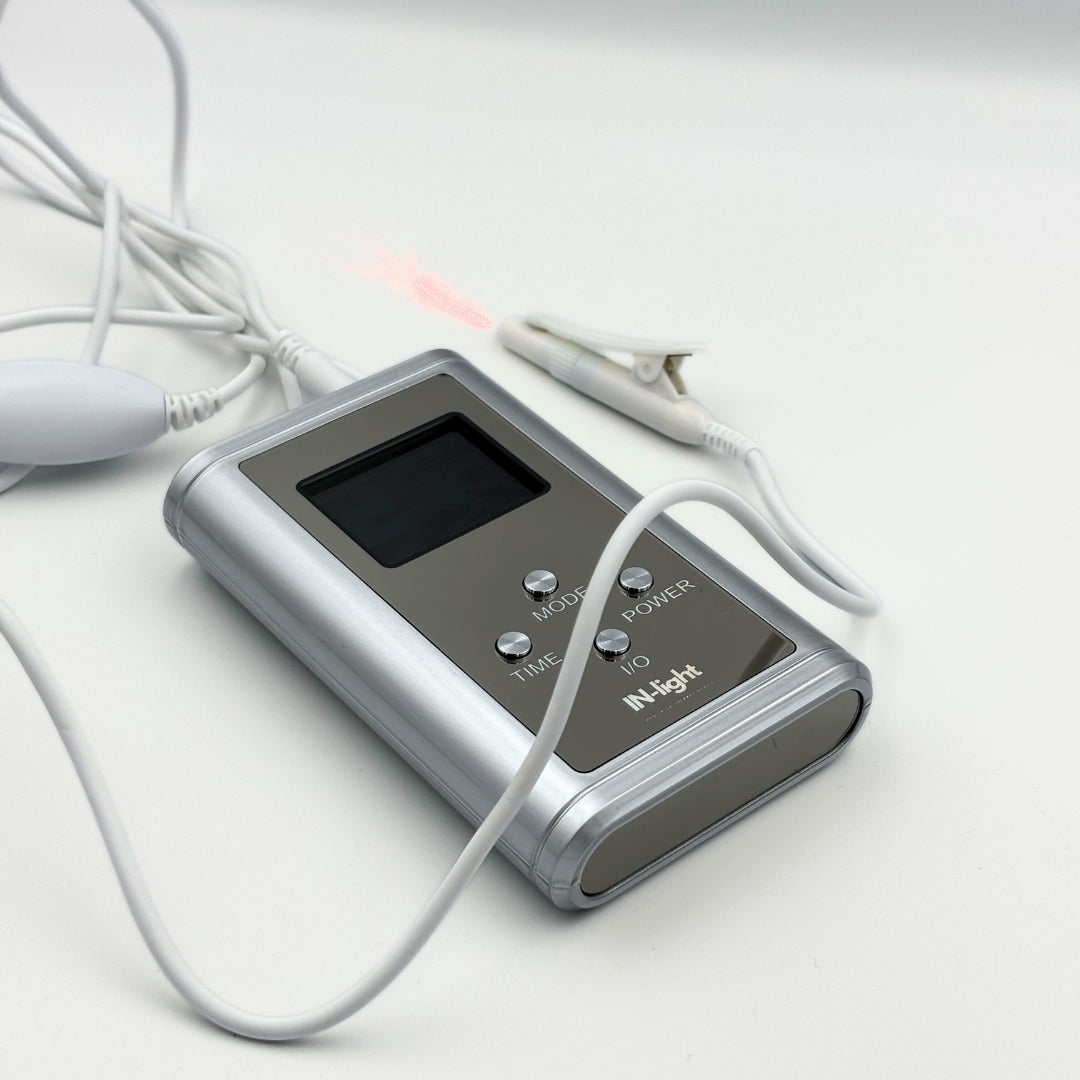
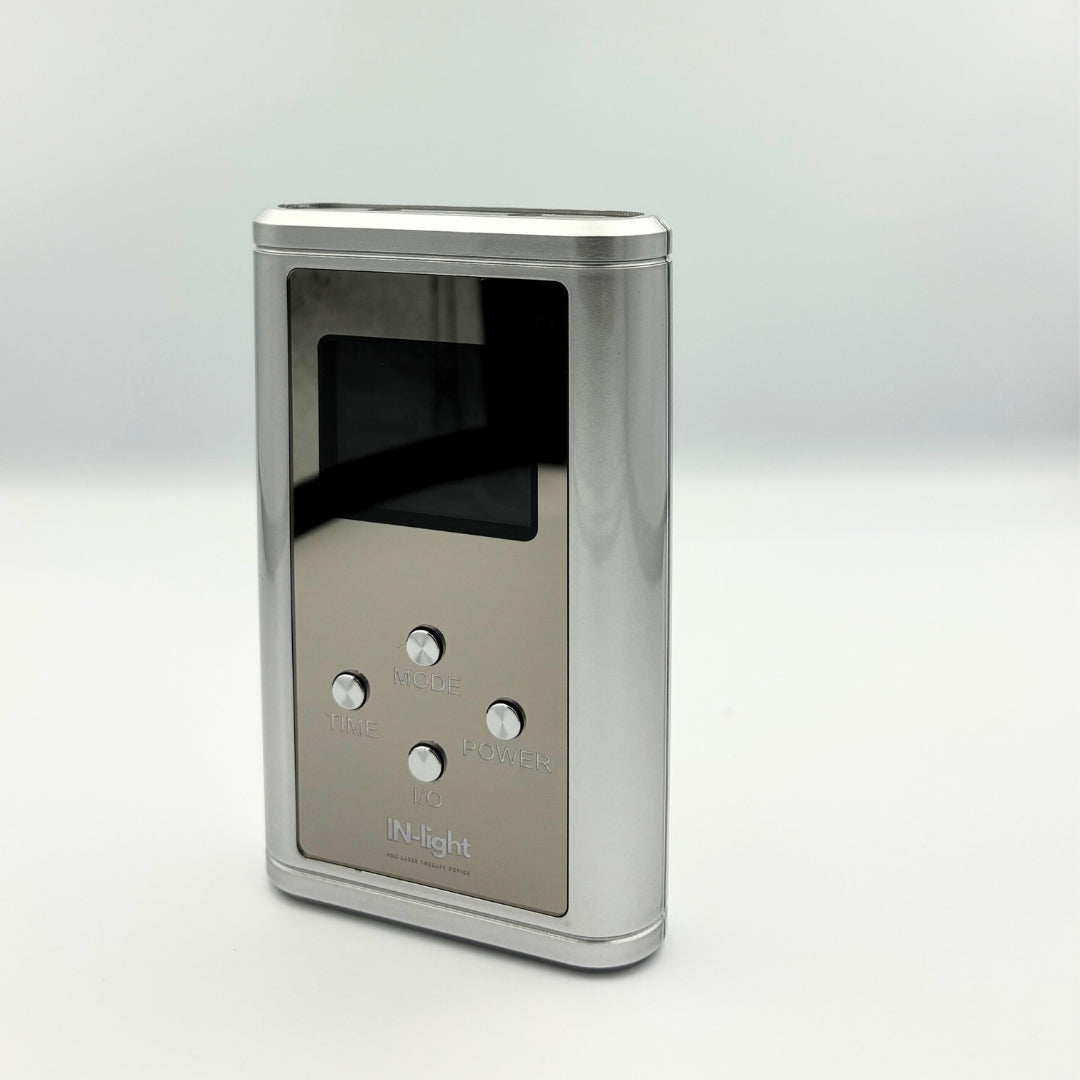
The IN-light Pro is an intranasal red light therapy laser that can offer the above benefits for dizziness. This allows you to tackle the cause from within!