What types of dizziness are there?
You can experience dizziness in different ways. One person might feel as though everything is spinning, whilst another might feel more ‘light-headed’ or weak. These are some of the symptoms you might experience:
- A spinning sensation in the head
- Feeling light-headed
- Waking up feeling dizzy
- Dizziness when lying down
- Blurred vision
- Feeling dizzy or seeing stars after standing up
- Dizziness after exertion
- Tinnitus
The way you experience dizziness can be a clue to its cause. For example, dizziness may be linked to stress, tiredness, balance problems or simply the position you’re lying in.
Can I feel dizzy because of tiredness?
Fatigue is a major cause of dizziness. When you’re tired, this can also go hand in hand with difficulty concentrating, a feeling of light-headedness, impaired balance and perhaps feeling weak. Lack of sleep, excessive exertion and insufficient recovery can also cause dizziness. In addition, there are many other factors that can trigger this symptom. You can read about these possible causes below.

Source: Pexels
Here are 10 possible causes of dizziness
1. Stress or tension
Prolonged stress or tension can alter your breathing, causing your body to remain in a constant state of heightened alertness. This can make you feel light-headed or dizzy and may cause you to feel less steady on your feet.
2. Fatigue and lack of sleep
When your body doesn’t get enough rest and recovery time, you may feel less alert. This can lead to symptoms such as dizziness, blurred vision or a light-headed feeling. This may be due to a period of poor sleep, persistent fatigue or prolonged exertion.
3. Change in your posture
You may feel dizzy if you stand up quickly after sitting or lying down. You often notice this as a light-headed or spinning sensation. This happens because, for a brief moment, gravity causes less blood to flow to your brain.
4. Not drinking enough fluids or retaining fluid
It’s no secret that drinking enough water is important. If you don’t, for example when it’s hot or if you’re ill, you may feel light-headed or dizzy.
5. Low blood pressure
Low blood pressure can also cause a light-headed or dizzy sensation. You may notice this, for example, when standing up quickly or changing position suddenly. You may also experience blurred vision or see spots, and feel momentarily unsteady on your feet.
6. Physical exertion or overexertion
After intense physical activity, such as sport or DIY, you may also feel dizzy. This happens when your body has used up a lot of energy or when you haven’t eaten or drunk enough.
7. Flu or recovery from illness
When you have the flu and accompanying symptoms such as a fever and tiredness, you may feel a bit light-headed. Even when you’re recovering from the flu or another illness, your body may still feel a bit weaker for a while.
8. Balance problems
When your vestibular system and your muscles and joints aren’t working together properly, you may experience a spinning sensation. This can feel, for example, as though the world around you is moving whilst you yourself are sitting still.
9. Hormones or pregnancy
Changes in hormone levels can affect how you feel. For some women, this causes dizziness and light-headedness, for example during their period or pregnancy. This may also be due to changes in blood pressure, blood sugar levels and circulation.
10. Ringing in the ears and tinnitus
Dizziness can also be accompanied by ringing in the ears, such as a high-pitched whine or other sound. This is because the balance system is partly located in the ear.
What can I do to treat dizziness?
To know what you can do about dizziness, it’s helpful to first identify the cause. This allows you to tackle the problem at its root to treat or prevent it. Here are a few things you can do:

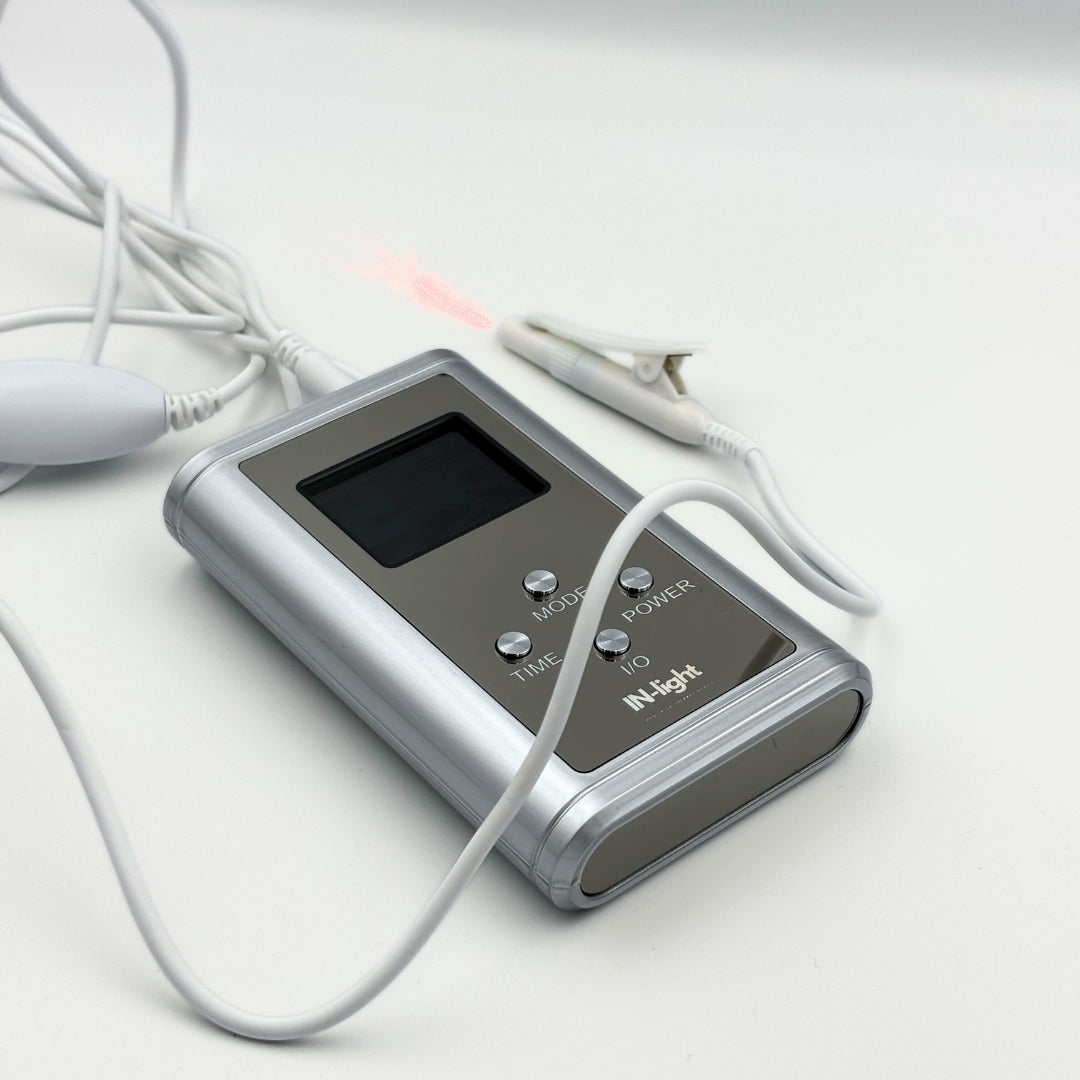
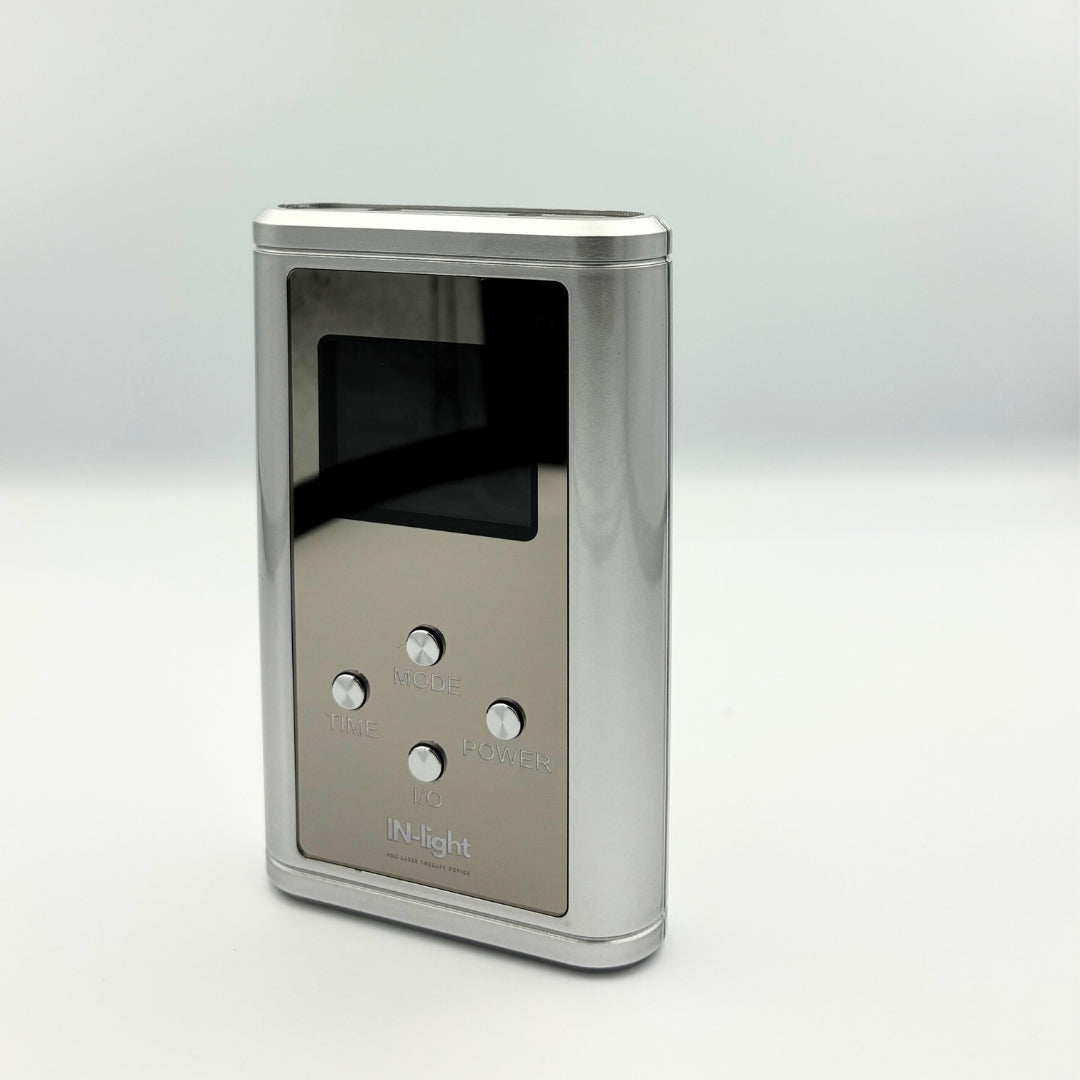
IN-light’s intranasal red light therapy for dizziness
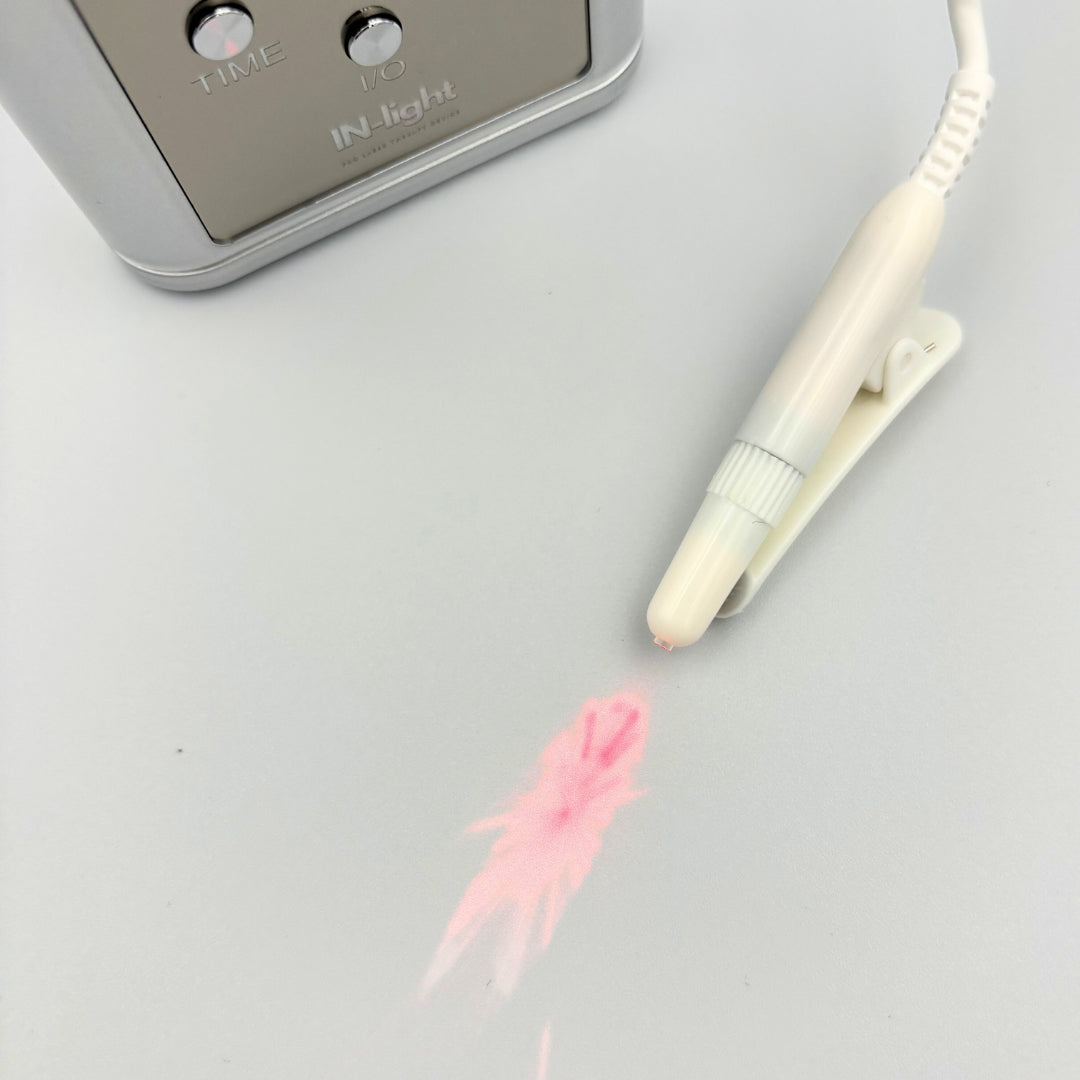
IN-light uses red and near-infrared light that is administered to the body via the nose. This light can be absorbed by certain parts of our cells, including the mitochondria. The mitochondria are, as it were, the power stations of our cells: they convert nutrients and oxygen into the energy the body needs.
By supporting this energy production, red light therapy can help improve cellular energy supply and support the body’s natural recovery. This is why IN-light may be of interest as a complementary treatment when, for example, dizziness is accompanied by fatigue or low energy levels.