Natural anti-inflammatories are very important if you want to support your body. But what exactly are the best anti-inflammatories and how do they actually work in your body? You can read more about this in this article.
When do you need a natural anti-inflammatory?
It is best to use natural anti-inflammatories if your body is dealing with inflammation on a long-term basis or more frequently. This usually involves mild to moderate inflammation that is mild enough to treat yourself.
Such inflammation can often manifest as persistent symptoms such as muscle pain and a lack of energy. They can also be used to support recovery following, for example, illness, or simply as part of a healthy lifestyle.
How exactly does a natural anti-inflammatory work?
Natural anti-inflammatories work by supporting the body. For instance, certain anti-inflammatories can stimulate substances involved in inflammatory responses. Furthermore, many of these natural remedies also help to balance the immune system. This prevents your body from overreacting. They also often contain antioxidants that protect cells, giving your body more scope to recover and relax.
What is the best natural anti-inflammatory?
There isn’t just one ‘best’ anti-inflammatory, but there are a number of substances that have been well researched. For example, turmeric, omega-3, green tea and ginger are often used. We explain these and other effective natural anti-inflammatories in detail below.

Source: Pexels
8 effective natural anti-inflammatories
1. Turmeric
Turmeric contains curcumin. This substance influences various inflammatory processes in the body. This makes it particularly suitable for use in cases of long-term or chronic inflammation. Tip: use turmeric together with black pepper. This enhances the absorption of curcumin, which can make the effect stronger.
2. Omega-3
Omega-3 fatty acids support the balance between inflammatory and recovery processes. That is why they are often used for low-grade inflammation. You can get omega-3 by regularly eating oily fish and seeds such as chia or linseed. It is also found in certain algae, from which you can take supplements.
3. Ginger
Ginger has an inhibitory effect on inflammatory processes due to the bioactive compounds it contains. It is often used for muscle and joint complaints. It can also aid recovery after physical exertion and help with stiffness or tension in the body.
4. Green tea
Green tea is rich in powerful antioxidants such as catechins. This helps to neutralise free radicals. As a result, the body is better protected against oxidative stress, which often plays a role in the development of inflammation.
5. Garlic
Garlic contains sulphur compounds such as allicin. This has a positive effect on the immune system. It is therefore often used to support the body’s natural defences and helps keep the body’s inflammatory responses in balance.
6. Berries
Berries, particularly blueberries, are rich in polyphenols and antioxidants. These protect cells from damage caused by oxidative stress. This helps reduce low-grade inflammation and supports overall cell health.
7. Olive oil
Olive oil, particularly the extra virgin variety, helps to reduce inflammatory activity in the body. This is due to its healthy fatty acids and antioxidants. You should therefore always choose olive oil over other oils and not be afraid to use plenty of it.
8. Intranasal red light therapy
Intranasal red light therapy supports the mitochondria in the cells and thereby stimulates the body’s own processes. Although it is not a food, it is a natural anti-inflammatory that helps the body.

How does intranasal red light therapy work as an anti-inflammatory?
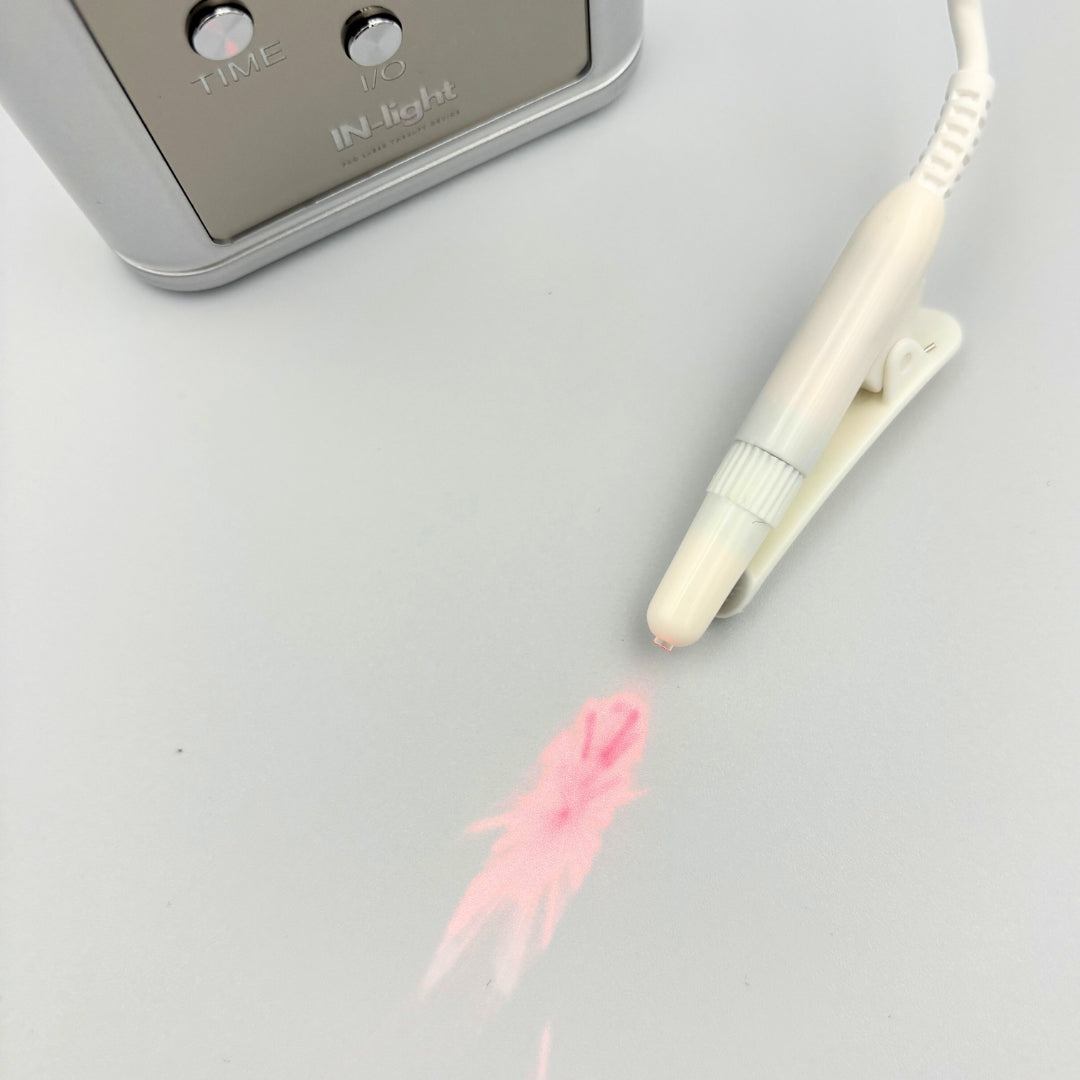
Intranasal light therapy involves using red light via a small lamp placed in the nose. This shines on the blood vessels in the nose, allowing the red light to affect the cells. This supports the mitochondria. When these function properly, energy production (ATP) increases, allowing processes in the body to run more smoothly. This includes the regulation of inflammation! These are the benefits of intranasal red light therapy:
- Supports cellular energy
- Contributes to balance in inflammatory processes
- Supports blood circulation
- Stimulates recovery processes in the body
Red light therapy works best as a complementary therapy alongside a healthy lifestyle and diet, to provide the body with extra support in recovery and regulation.
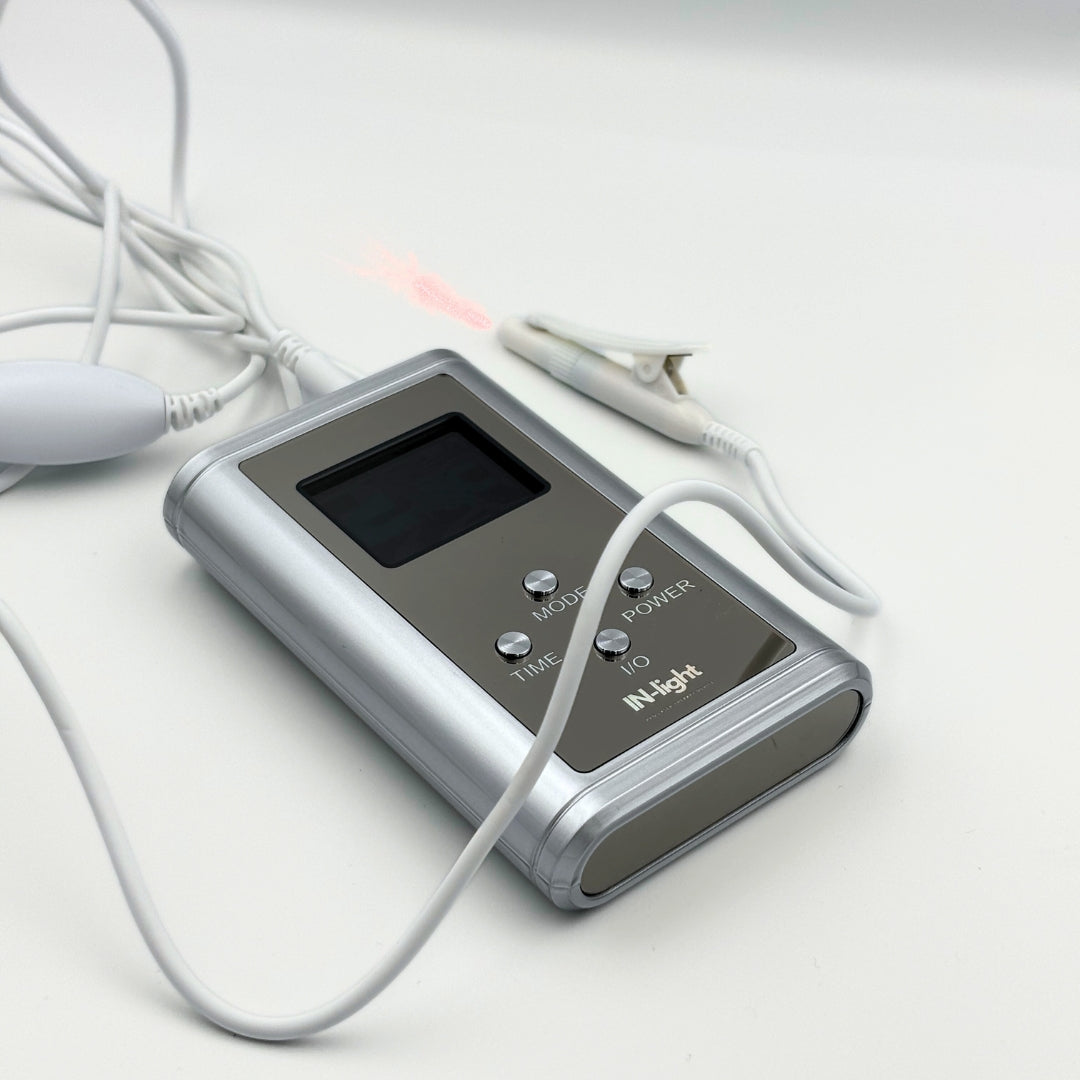
Intranasal red light therapy from IN-light
The IN-light laser is an intranasal red light therapy device that can offer the above benefits. It not only helps to support anti-inflammatory effects, but also with other symptoms and conditions. Click here for more information about this laser!