Rhinitis is an unpleasant condition that can cause significant discomfort for some people. There are various types of this condition, each caused by different factors. Read on to find out what you can do to alleviate rhinitis.
What exactly is rhinitis?
Rhinitis is an inflammation of the nasal mucosa. This causes the inside of the nose to become irritated. It often leads to cold-like symptoms, such as a blocked nose, sneezing or a runny nose. There are different forms of this inflammation:
- Allergic rhinitis: where the nasal mucosa overreacts to ‘harmless’ substances such as pollen, animal hair or mould. This leads to inflammation of the nasal mucosa and causes the associated symptoms.
- Non-allergic rhinitis: caused by external irritants. These can include smoke, perfume, stress, hormonal changes and more.
In both cases, you experience an irritated and swollen nasal mucosa, which can lead to various symptoms.
Is rhinitis chronic?
This condition can be temporary or chronic. In acute rhinitis, the symptoms are temporary, for example due to a cold or exposure to an irritant. In this case, it often resolves itself within a few days to weeks.
With chronic rhinitis, the symptoms often persist for weeks to months and frequently recur. This mainly occurs with allergic rhinitis or where irritants are constantly present, such as air pollution. If it is chronic, it does not mean that the symptoms are always present. It does mean, however, that the nasal mucosa remains sensitive and you are therefore more prone to symptoms. Fortunately, there are things you can do yourself to alleviate both acute and chronic rhinitis.
What are the symptoms of rhinitis?
The symptoms of rhinitis are very similar to those of most colds. These are the most common symptoms:
- Blocked nose
- Runny nose with clear or watery mucus
- Sneezing, sometimes in fits
- Itching in the nose, eyes or throat
- Reduced sense of smell and taste
- Pressure in the head or around the sinuses
Are the symptoms the same for the allergic and non-allergic types?
Although the symptoms are very similar, there are also a few differences between allergic and non-allergic rhinitis. For example, with the allergic form, you are more likely to suffer from itchy and watery eyes and are more prone to itching in the eyes and throat. With non-allergic rhinitis, on the other hand, you are more likely to suffer from a chronically blocked nose.
Fortunately, there are several things you can do yourself to treat this condition. Below you’ll find the best tips for all the different forms of rhinitis.

Source: Pexels
How to manage allergic/non-allergic rhinitis
1. Avoid triggers as much as possible
Try to identify which triggers cause your symptoms. The better you can avoid these triggers, the fewer symptoms you will experience. Things such as smoke, perfume, animal hair, dust, temperature changes or stress can be triggers.
2. Keep your living environment clean
A clean environment can make a big difference, as it helps limit triggers. Open your windows often, do not smoke indoors and avoid products with strong odours. Also wash your bed linen at a high temperature and minimise dust in the home.
3. Rinse your nose with a saline solution
A saline nasal spray or nasal rinse helps to remove allergens, dust and mucus from your nose. This reduces irritation and prevents the nasal mucosa from becoming overstimulated.
4. Pay attention to air quality
Dry air often makes the nasal mucosa extra sensitive. Therefore, use a humidifier or simply a bowl of water in the room to maintain good humidity levels. Exhaust fumes and particulate matter in the outdoor air can also make symptoms worse, so try to avoid these as much as possible.
5. Boost your immunity
A strong immune system is very important for reducing your susceptibility to the triggers of rhinitis. Therefore, try to get enough sleep, exercise regularly and eat healthily. This will help keep your immune system stable. You can also use complementary methods to keep your immune system strong, such as intranasal red light therapy.
6. Reduce stress
Stress can be a major trigger for rhinitis and a weakened immune system. Therefore, try to reduce stress. You can do this by meditating, doing breathing exercises and taking regular breaks. If you often suffer from stress, it is important to identify what triggers it for you.
7. Use red light therapy
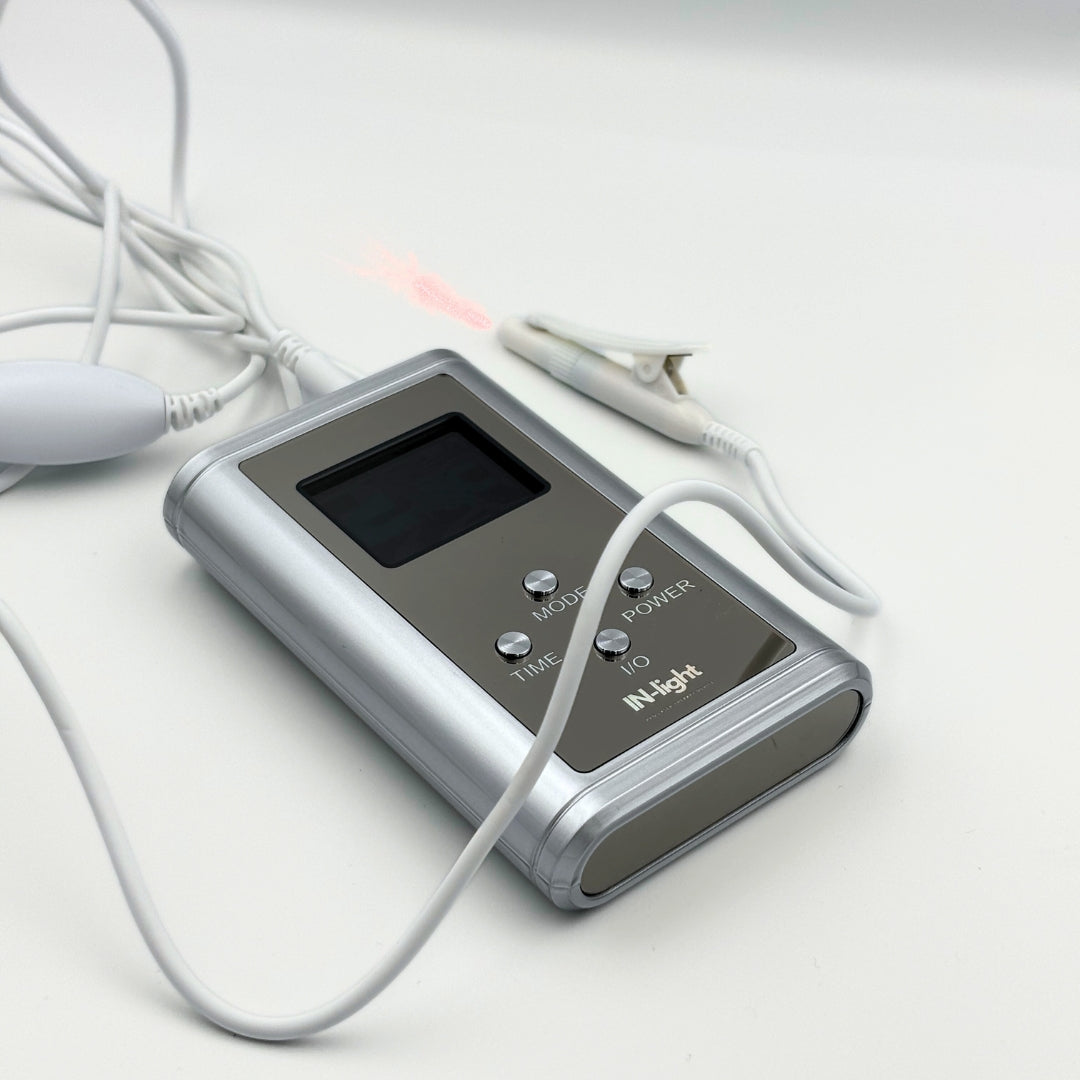
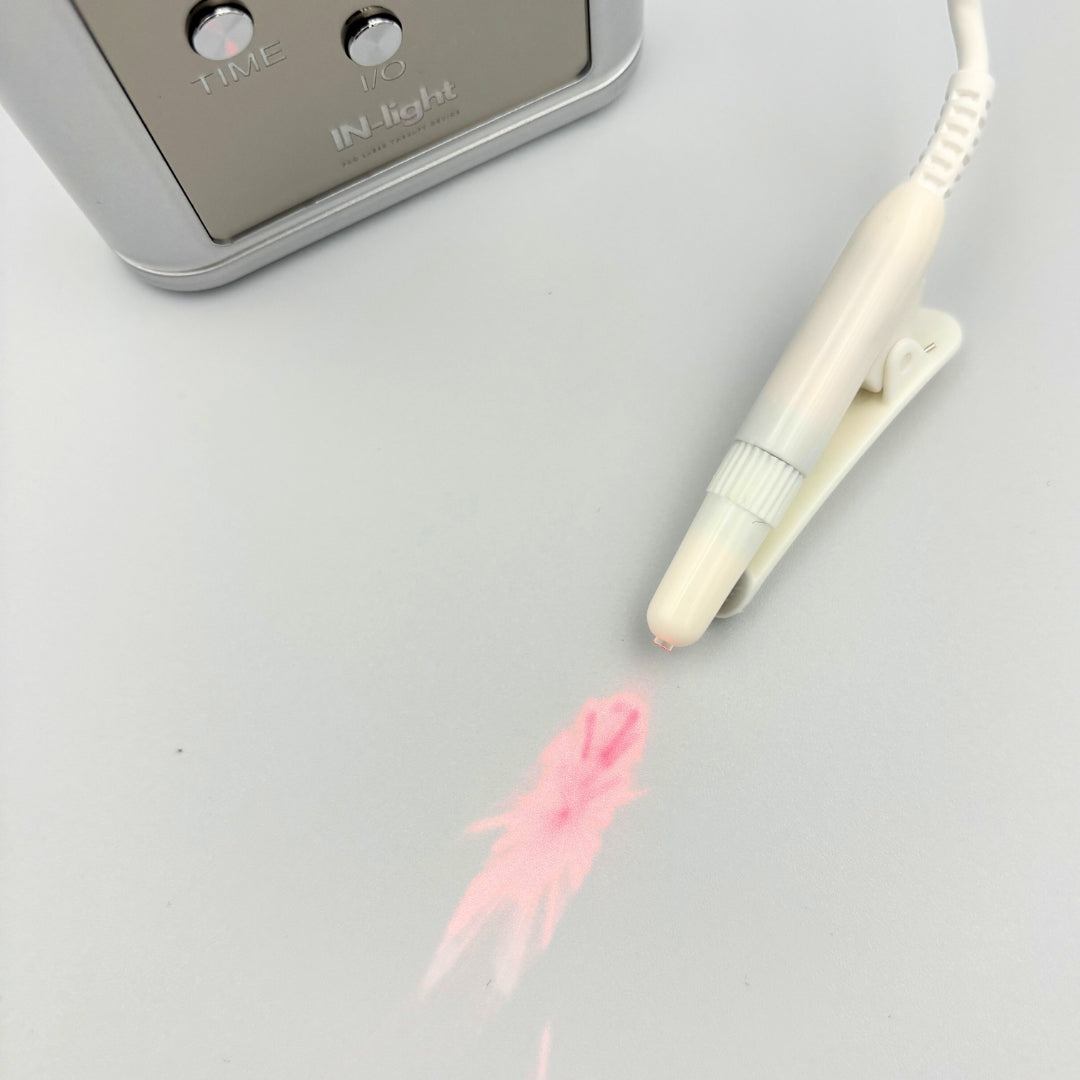
Red light therapy helps to soothe the nasal mucosa and strengthen the immune system. This involves intranasal red light therapy, where red light is administered via a small laser in the nose.

Intranasal red light therapy as an aid for rhinitis
In intranasal red light therapy, red light is administered via the nose. This light reaches the tissues in the nasal cavity, including the nasal mucosa and the surrounding vascular structures. At a cellular level, red light can influence the mitochondria, enabling cells to function more efficiently and supporting recovery processes. These are the benefits of this form of light therapy for rhinitis:
- Supports mitochondrial activity, which can contribute to improved cellular energy production
- Can support recovery processes in the tissues of the nasal cavity
- Helps to modulate and soothe inflammatory activity in the area
- Contributes to improved local blood flow and oxygen supply in the nose
- May help reduce irritation of the nasal mucosa
Rhinitis is one of the most common conditions worldwide for which intranasal red light therapy is used. It is also one of the topics that has received the most scientific attention and research internationally.
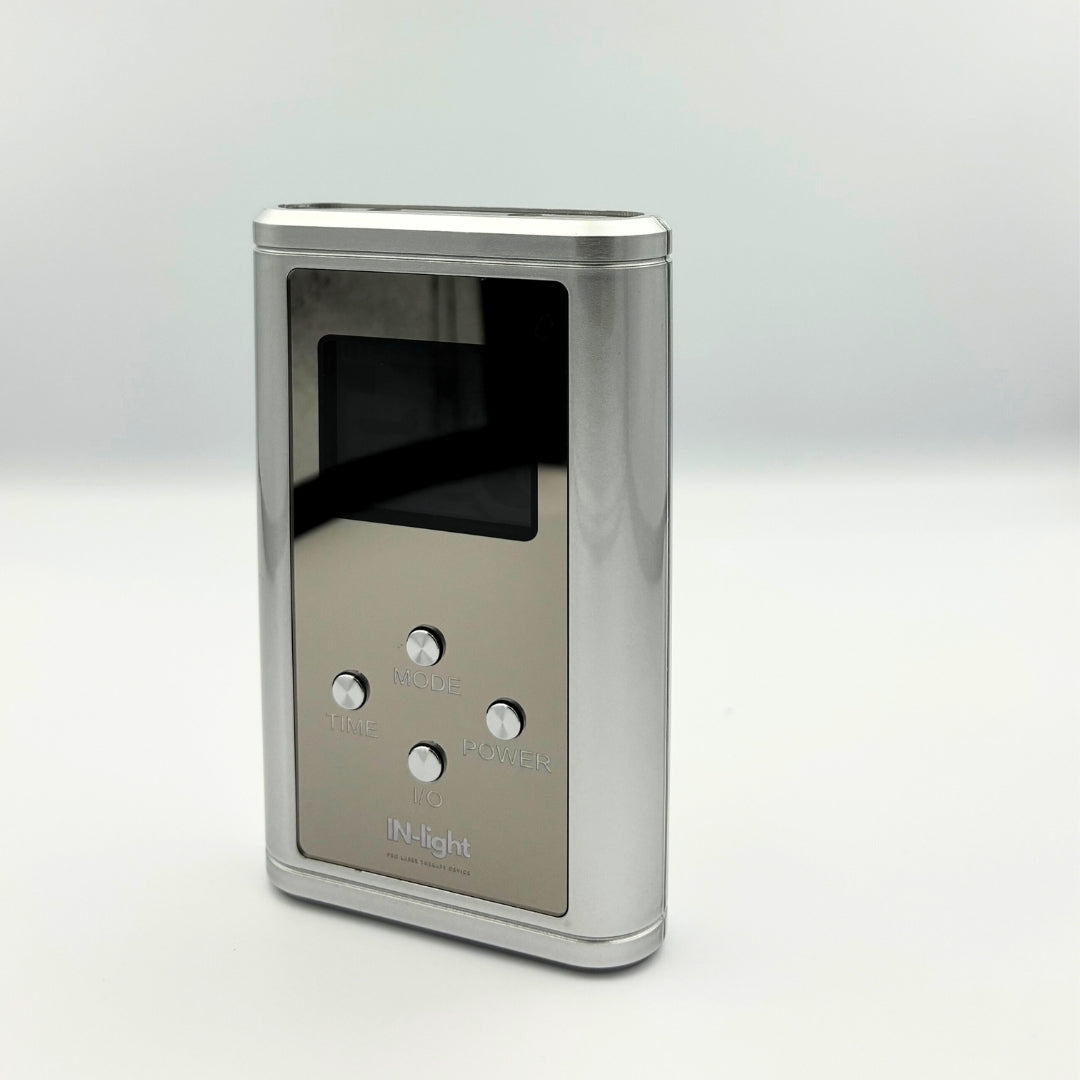
Red light therapy from IN-light
The IN-light Pro is a red light therapy laser that can offer the above benefits. It also helps with other complaints and conditions. View all experiences with the IN-light laser here.