


Poor blood circulation? Here are the 8 possible consequences
If you have poor circulation, your body can show this in various ways. You probably already know that you can get cold hands and feet, but did you know that this can manifest itself in...

Source: Pexels
An afternoon slump is something everyone experiences from time to time during a long working day. However, it is a sign from your body that something isn’t quite right. In this article, you can read how to prevent an afternoon slump!
An afternoon slump can have many different causes. It may simply mean that you aren’t eating enough, but it can also have a slightly deeper cause. Often, one or more of the following factors play a role:
By knowing what’s causing your afternoon slump, you can also work out what to do to prevent this energy dip. Sometimes, however, you might not know exactly what the cause is.
Do you feel that you sleep well, eat healthily, get enough exercise and drink enough water? Then it may be that something else is going on. Your energy isn’t always dependent on your habits, but also on what’s happening in your body at a deeper level.
Energy production actually takes place in your cells, in the mitochondria. In some people, these ‘energy factories’ aren’t properly charged, which means your body has to work harder. This can also make you feel tired more quickly. There are various ways to address this, for example with intranasal red light therapy. Whether you’ve managed to identify the cause or not, below you can read what you can always do to prevent this afternoon slump.
At night, you lay the foundation for your energy levels during the day. Therefore, try to get enough sleep and stick to a regular pattern as much as possible. In addition, the quality of your sleep is very important; uninterrupted sleep ensures that your body and brain can truly recover.
Many people experience an afternoon slump after lunch. It’s important to eat a lunch containing enough protein, fibre and healthy fats. It’s also better to avoid processed foods, fast-acting sugars and white carbohydrates. These cause a dip in your blood sugar levels, which can be the cause of this slump.
Sitting still for long periods can actually make you feel more tired. So take a short break every now and then and go for a short walk, especially after eating. This stimulates your blood circulation and helps you feel more alert.
If you’re not properly hydrated, this can have a major impact on your ability to concentrate. So make sure you drink enough water spread throughout the day. Also limit your caffeine intake, as this can cause significant dips in your energy levels.
Getting enough daylight is important for your biological clock and maintaining good energy levels. So, try to step outside for a moment in the morning after you wake up. It’s also important to get some daylight during the day. This helps support your natural rhythm and keeps you more alert when you need to be.
Especially during a long day spent in front of a screen, it is important to take a short break every now and then. This allows you to clear your head and then focus better on your tasks. Stand up occasionally, go for a short walk or do a quick breathing exercise.
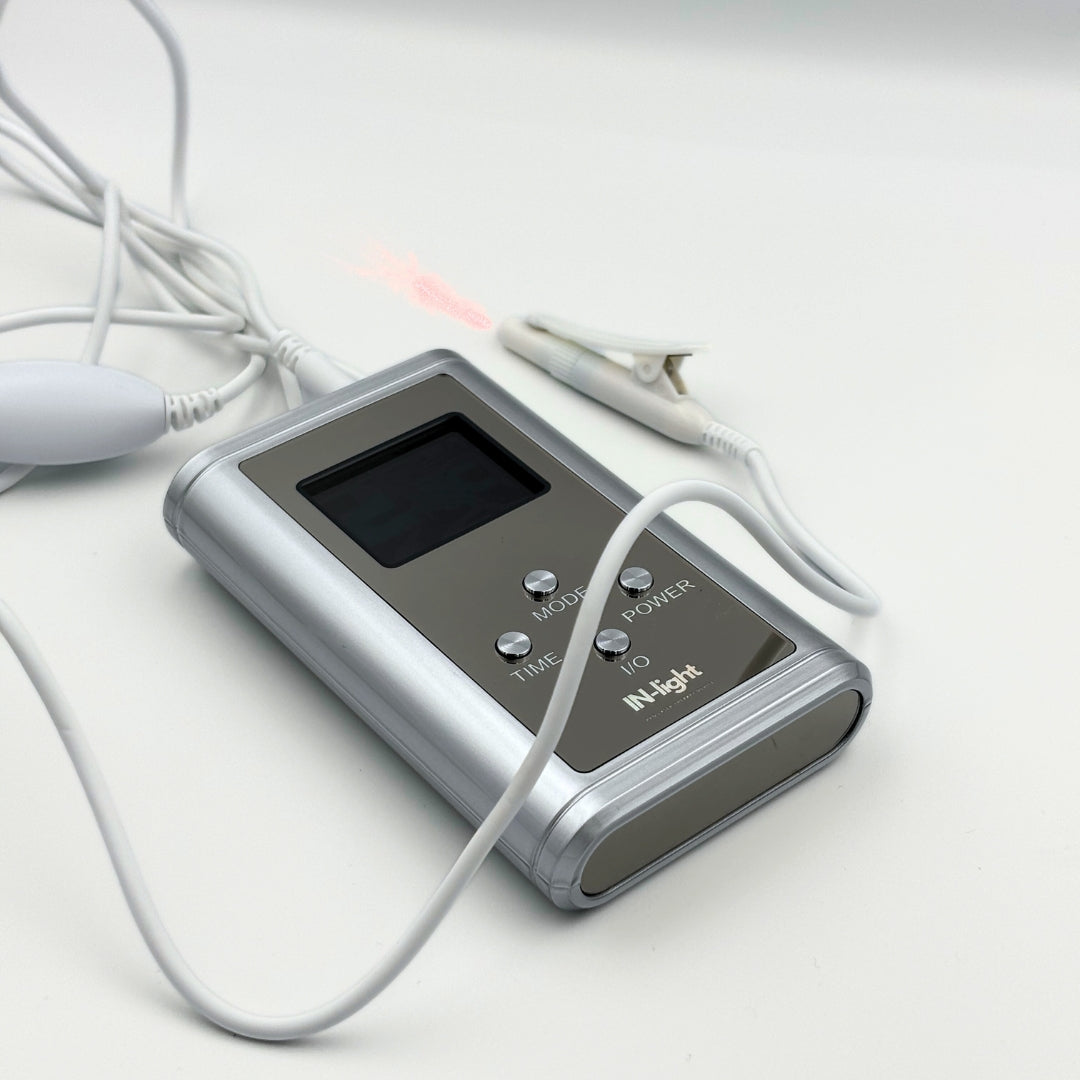
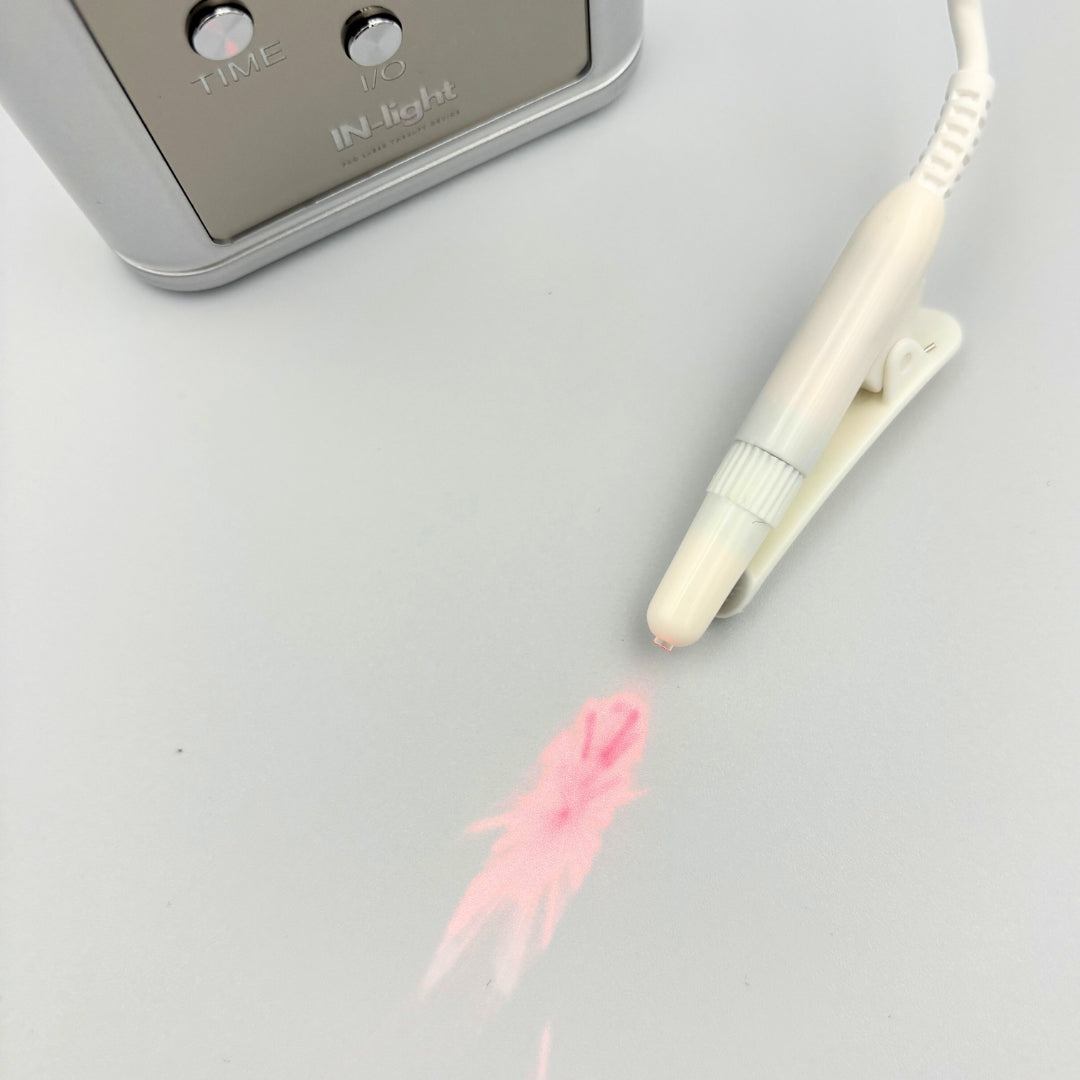
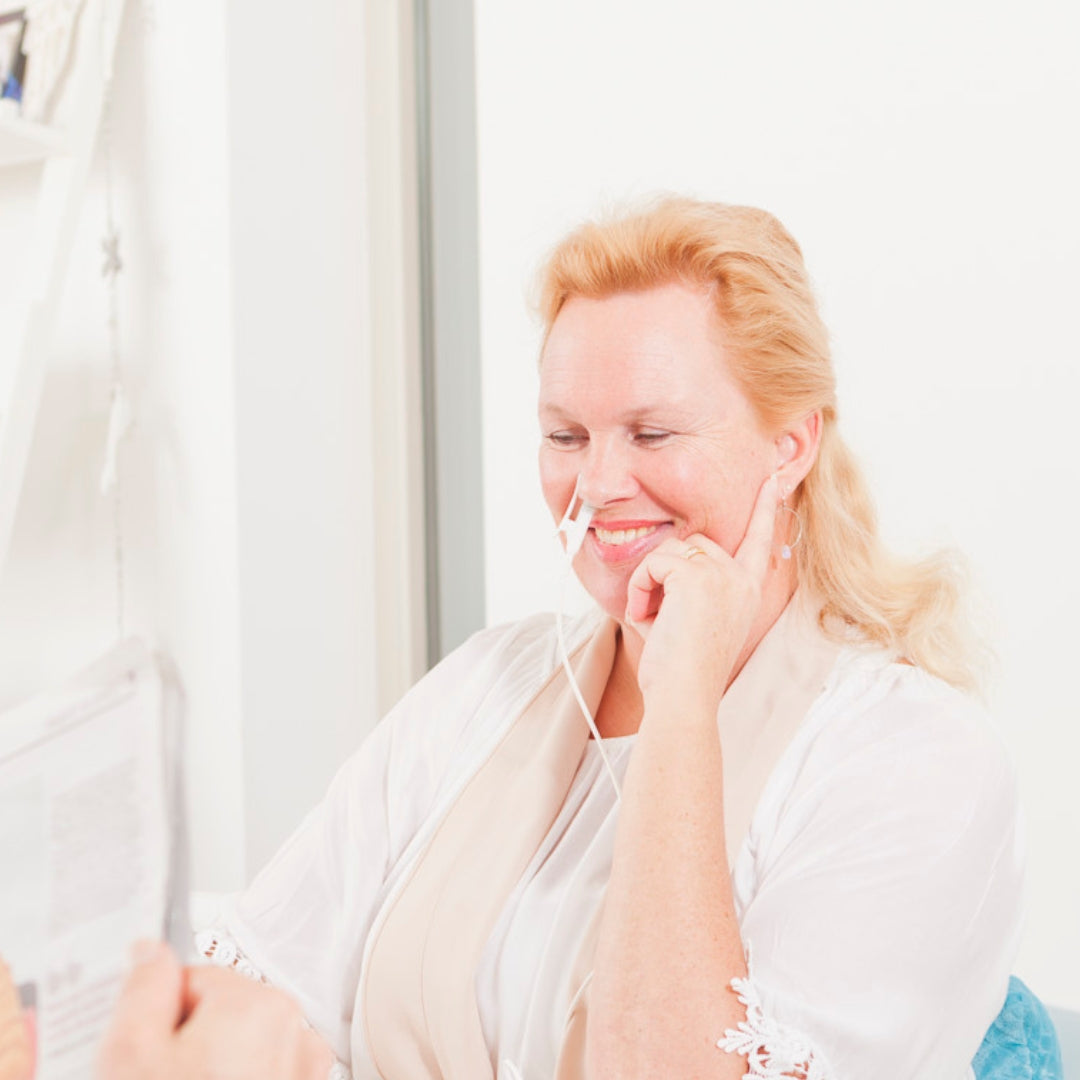
Intranasal red light therapy is administered through the nose and is designed to support the energy processes in your body. This can help address the root cause of energy issues in your body, thereby helping you prevent energy slumps.

Red light therapy can help prevent energy dips. This is because it supports the body in the way energy is produced and used in your cells. Your energy is continuously produced in your mitochondria, and when this process isn’t working optimally, you may feel tired or ‘sluggish’ more quickly.
Intranasal red light therapy is administered via the nose, allowing the light to reach an area rich in blood vessels. This directly stimulates the body’s energy processes. These are the benefits of this form of light therapy:
Red light therapy always works best alongside a healthy lifestyle. So make sure you follow the tips above to support your body and mind.
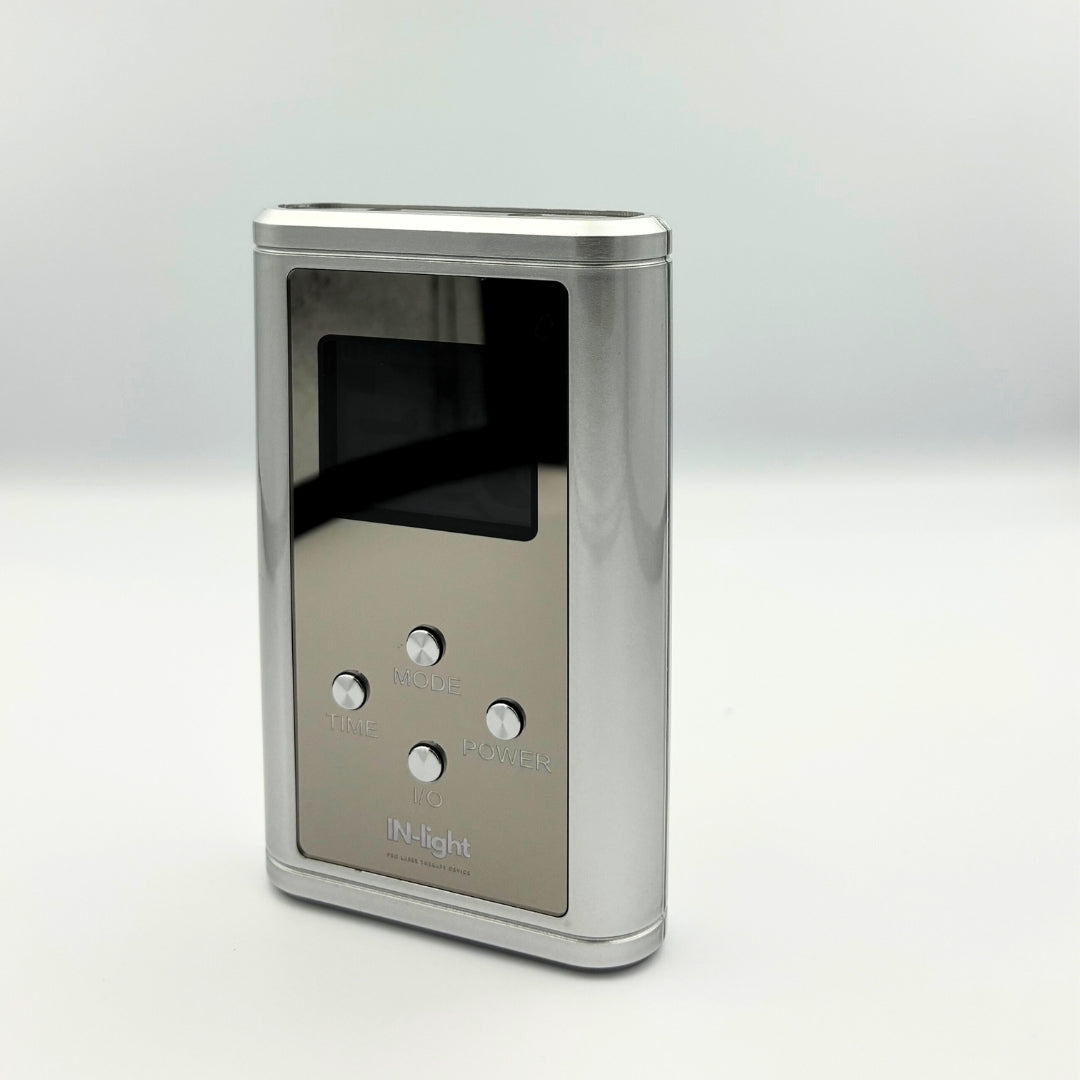
The IN-light Pro is a red light therapy device that can offer the benefits listed above. It also helps with various symptoms and conditions and aids in maintaining good health. Furthermore, you don’t need to set aside extra time for a session with the IN-light, meaning you can work on your health and energy levels at any time.


