




6 natural ways to boost your energy
Source: Pexels Having enough energy is important if you want to get through the day feeling healthy and fit. Yet many people struggle with low energy levels. Are you curious to find out what you...

Do you suffer from headaches regularly? If so, you’ll know just how disruptive they can be in everyday life. Fortunately, there are things you can do to reduce or prevent this unpleasant condition. In this blog, we’ll tell you what helps with headaches.
There are many different types of headaches, and they can manifest in many ways. For example, some people suffer from stabbing headaches, whilst others experience pressure on the head. These are the most common types of headaches and their characteristics:
If you know what type of headache you have, it’s easier to know what to do about it. If you frequently suffer from severe headaches, it’s important to have this checked by a doctor.
If you have a severe headache, it’s important to get plenty of rest straight away. Always drink enough water, avoid stimuli and try to sleep if you can. In addition, cooling, such as with a cold compress, can often help to relieve pain. Red light therapy also helps with headaches in many cases. We’ll go into this in more detail later in this article.

Source: Pexels
Do you suffer from headaches regularly? Then the tips below can help you reduce or prevent them. These tips are particularly intended if you regularly suffer from headaches that are not caused by an underlying condition such as migraine or cluster headaches. Do you have one of these conditions? Then the tips below can of course also help, but you might also want to take a look here for important advice. Read here what you can do if you have a headache.
Inadequate hydration is a common cause of headaches. Drink plenty of water throughout the day to prevent dehydration. In addition, low blood sugar levels can also cause headaches. Therefore, eat at regular intervals throughout the day and ensure your meals are nutritious to prevent fluctuations.
This annoying condition is often caused by fatigue and overstimulation. So make sure you have plenty of rest periods throughout the day. It can also help to do relaxation exercises, such as meditation, breathing exercises or even a short walk.
Staring at a screen for long periods can cause tension in your head and eyes. So make sure you take plenty of breaks whilst working and minimise unnecessary use of your phone.
Sitting in the wrong position causes tension in your neck and jaws, which can lead to headaches. Make sure you sit upright, especially whilst working. It is also important to relax your jaws, as teeth grinding and jaw tension can also cause headaches.
If you’re already suffering from a headache, applying heat or cold can help. Place a compress on your forehead, temples or neck to relieve the pain and relax the muscles.
Caffeine can both relieve and worsen headaches. Too much coffee causes dehydration and can lead to additional headaches, but suddenly stopping drinking coffee can actually cause symptoms. Therefore, try to maintain a steady intake and reduce it gradually, but do not stop abruptly.
Stuffy air or poor air quality can cause headaches. So open a window or go outside more often. Strong smells such as perfume or cleaning products can also trigger headaches. Try to pay attention to what causes this pain for you.
If you breathe shallowly, this can cause these symptoms. Try to breathe calmly and deeply to relax your body and mind.
There are various types of red light therapy that help with headaches. For example, it can be applied locally to the neck or head to reduce tension and pain. You can do this with a localised red light therapy device.
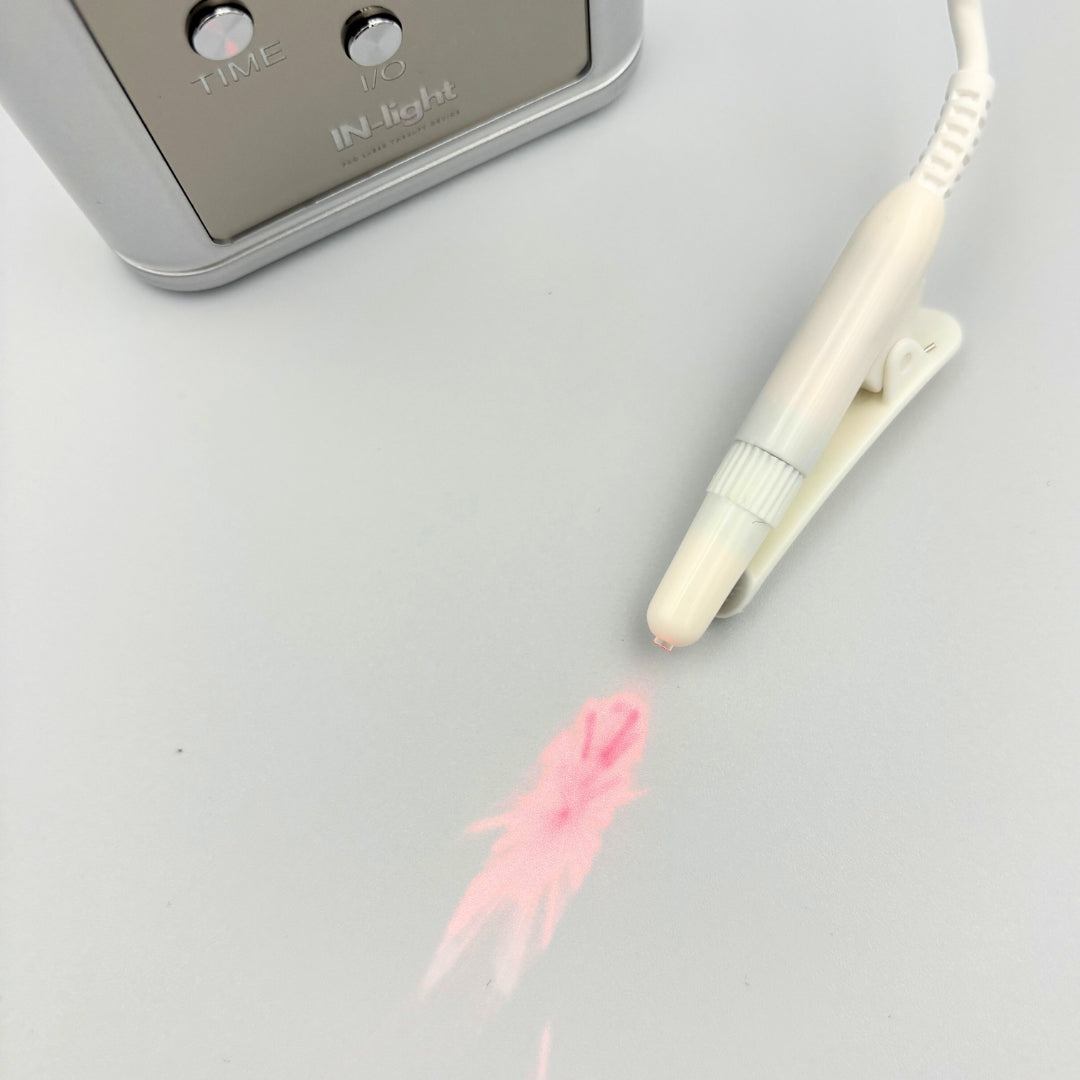
There is also intranasal red light therapy, where you use red light via the nose to stimulate the whole body. This improves blood flow, oxygen uptake and energy production in the cells. This helps to reduce and prevent headaches.

Intranasal red light therapy is administered via the nose to support the body from within. This is why it helps with headaches:
For these reasons, intranasal red light therapy helps not only with ordinary headaches, but also with conditions such as migraine. Read more here about how intranasal laser therapy works for migraine.
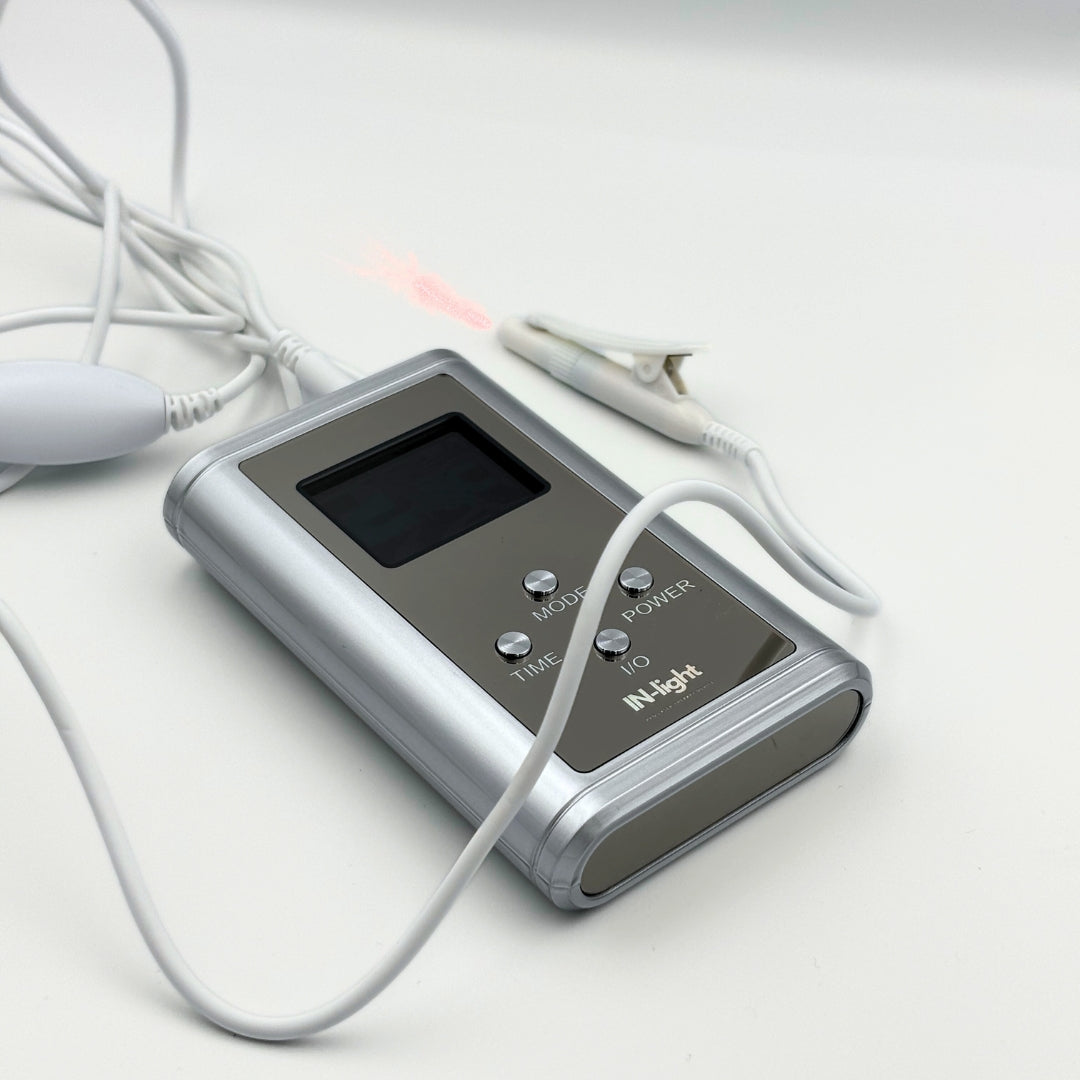
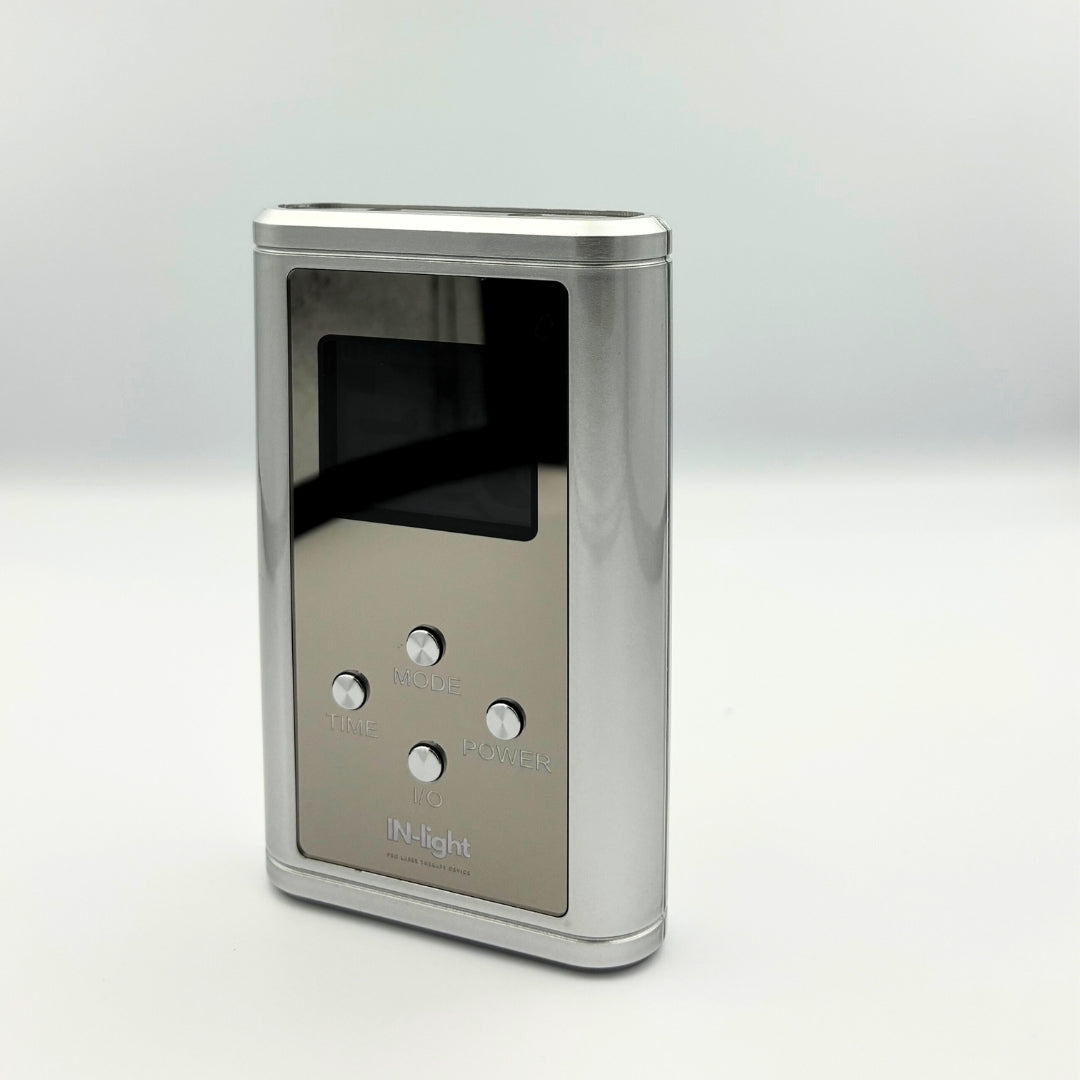
The IN-light Pro is an intranasal red light therapy laser that you can use for headaches. It also helps with many other complaints and conditions. You can start a treatment session whenever and wherever you like. This allows you to work on your health without it taking up extra time or energy. Read more about the IN-light Pro here.


